
Every day, thousands of people search for a way into digital marketing, but most walk away more confused than when they started. Between conflicting advice, endless course ads, and jargon-heavy guides, it’s easy to feel stuck before you’ve even begun.
The truth is simpler than it looks. If you’re wondering how to start digital marketing, the good news is you don’t need a marketing degree, a huge budget, or years of experience to begin. What you need is a clear roadmap and that’s exactly what this guide gives you, from understanding the basics of digital marketing to landing your first paid project.
What Is Digital Marketing, Exactly?
Digital marketing is the practice of promoting products, services, or brands using online channels search engines, social media, email, websites, and paid ads nstead of traditional methods like TV, print, or billboards. What makes it different from traditional marketing is measurability: every click, view, and conversion can be tracked, tested, and improved in real time.
This is also why digital marketing has become one of the most accessible career paths today. Unlike many industries, it rewards demonstrated results over formal credentials. A beginner with a strong portfolio and proof of results can often outcompete someone with a marketing degree but no hands-on experience.
Step 1: Understand the Core Channels Before Picking One
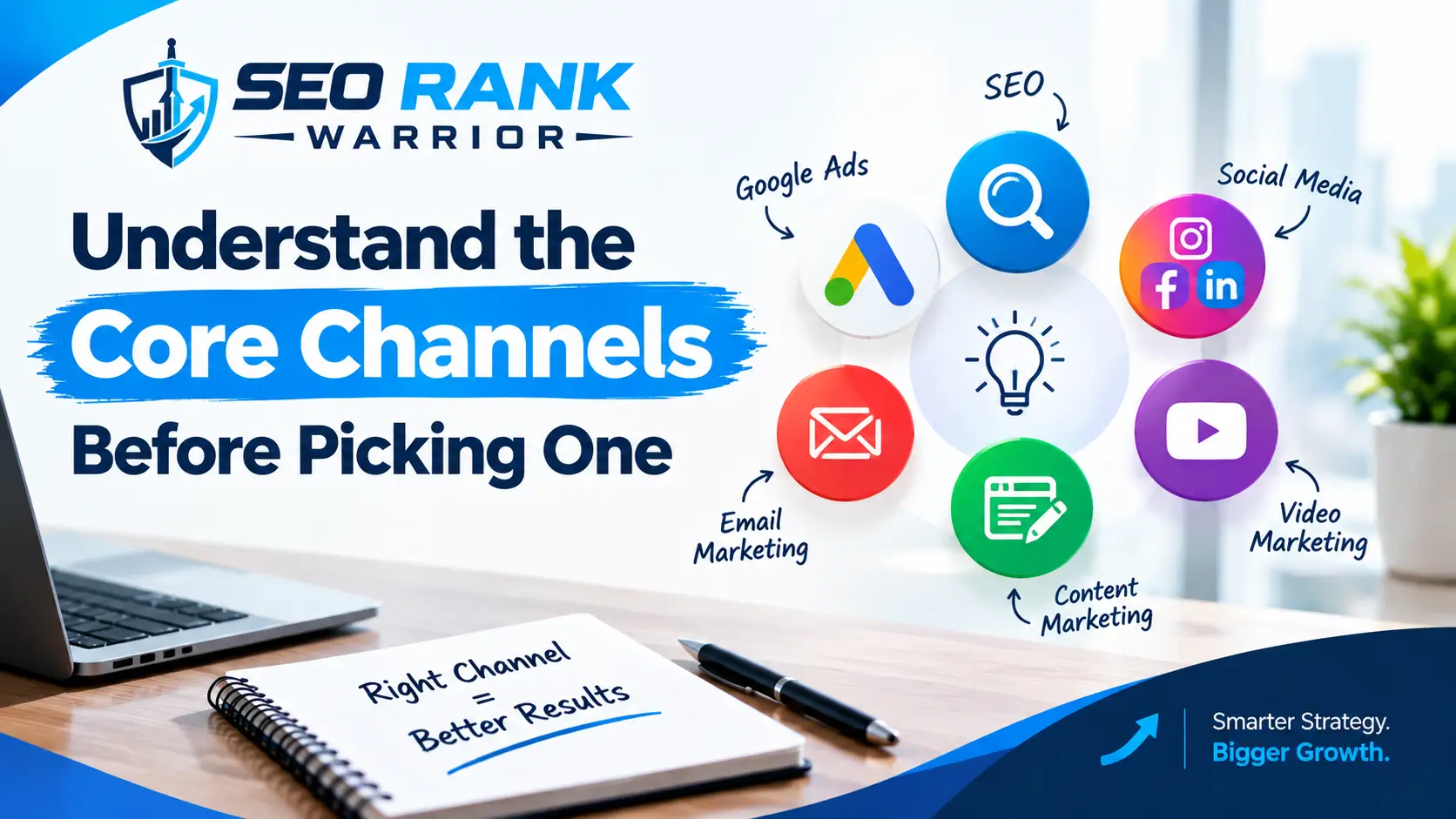
Digital marketing isn’t a single skill it’s an umbrella covering several specialties. Before you commit to one, it helps to know what each actually involves:
Search Engine Optimization (SEO)
Improving a website’s visibility on search engines like Google through content, keywords, and technical fixes.
Pay-Per-Click Advertising (PPC)
Running paid ads on platforms like Google Ads or Meta Ads to drive immediate traffic.
Social Media Marketing
Building brand presence and engagement on platforms like Instagram, LinkedIn, and TikTok.
Content Marketing
Creating valuable content blogs, videos, guides to attract and retain an audience over time.
Email Marketing
Nurturing leads and customers through targeted email campaigns.
Analytics
Measuring performance across all channels using tools like Google Analytics to guide decisions.
Most successful digital marketers eventually specialize, but early on, a basic understanding of all six will make you far more employable and effective.
Step 2: Learn the Fundamentals (Without Overpaying)
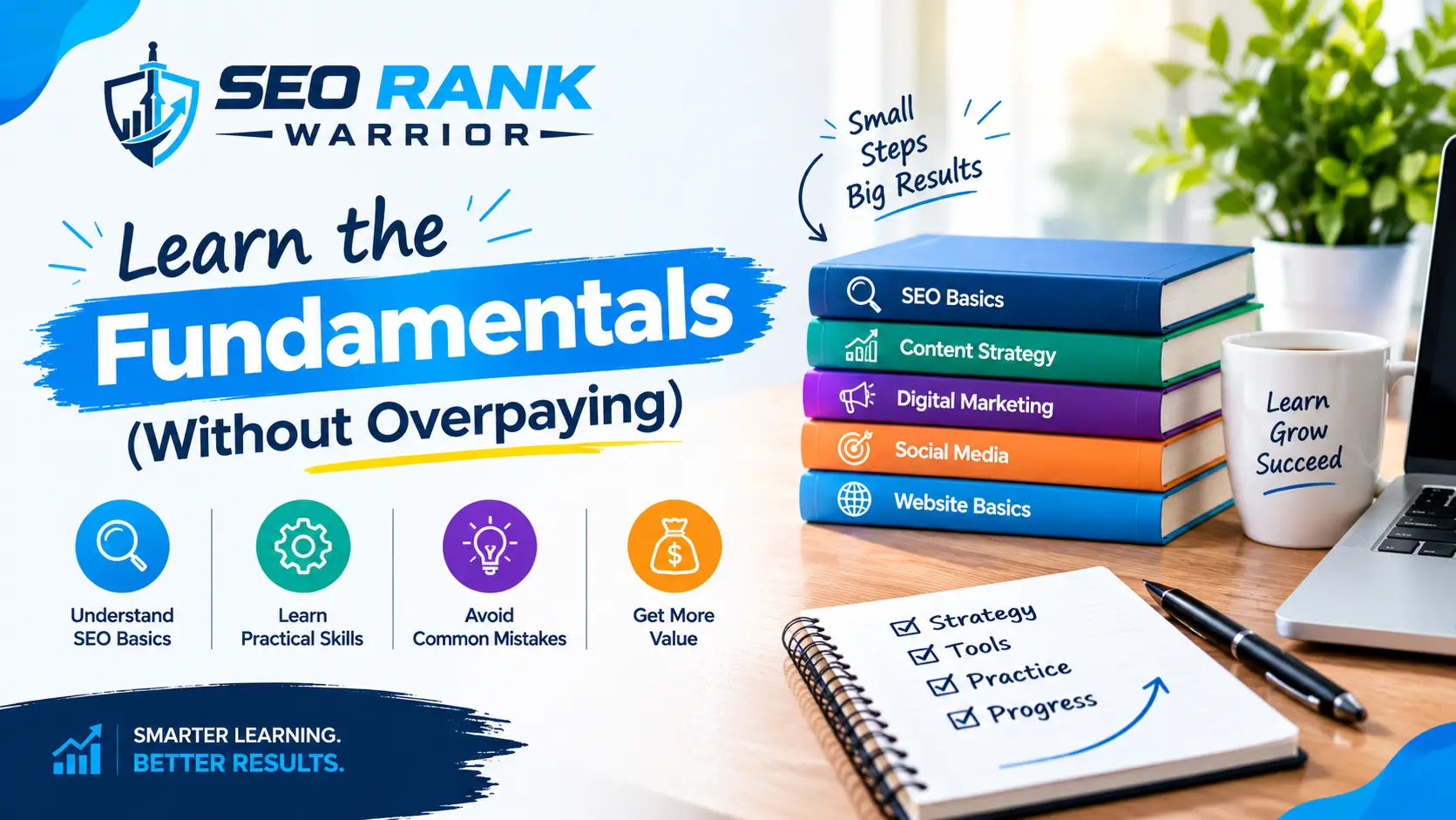
You don’t need an expensive bootcamp to get started. Several free or low-cost resources cover the fundamentals thoroughly:
Google Digital Garage and Google Skillshop
Offer free, certified courses on SEO, Ads, and Analytics.
HubSpot Academy
Provides free certifications in content marketing, email marketing, and inbound strategy.
Meta Blueprint
Covers social media and paid advertising on Facebook and Instagram.
Spend two to four weeks going through two or three of these before deciding where to specialize. This isn’t wasted time recruiters and clients increasingly look for these certifications as proof of baseline competence.
Step 3: Learn by Doing, Not Just Watching
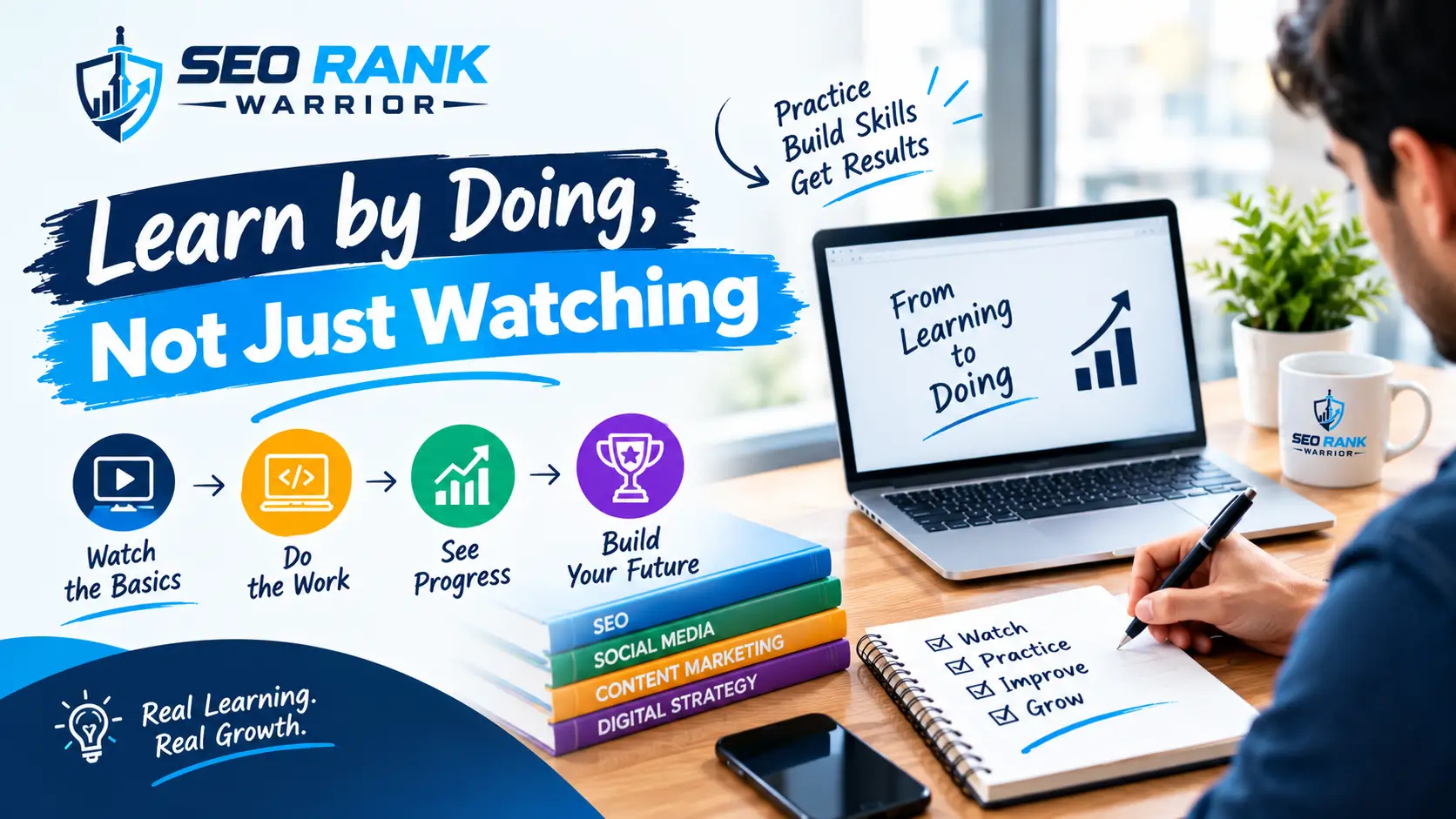
This is where most beginners get stuck. Watching tutorials feels productive, but it doesn’t build real skill. The fastest way to actually learn digital marketing is to apply it immediately:
Start a Personal Blog or Instagram Page
Grow it using SEO or content marketing principles.
Manage Social Media for a Small Business
Offer to help a local business, non-profit, or friend’s shop for free or a small fee.
Run a Small Test Ad Campaign
Try a $20-30 campaign on Google Ads or Meta Ads using your own budget to understand how bidding and targeting work.
Practice With Free Analytics Tools
Use tools like Google Analytics, Ubersuggest, or Google Trends on a real (even personal) website to practice analysis.
Set a goal of completing one small, real project every two weeks. Within three months, you’ll have hands-on experience that most theory-only learners lack.
Step 4: Build a Portfolio That Proves Results

In digital marketing, a portfolio matters more than a resume. Employers and clients want to see what you’ve actually done, not just what you know. Your portfolio should include:
- Screenshots of campaigns you’ve run, with metrics (traffic growth, engagement rate, conversions)
- Before-and-after comparisons for any SEO or content work
- A short write-up explaining your strategy and what you learned from each project
Even small wins count. Growing a personal blog from zero to 500 monthly visitors, or improving a friend’s Instagram engagement rate by 20%, tells a hiring manager far more than a certificate alone.
Step 5: Pick a Specialization and Go Deeper
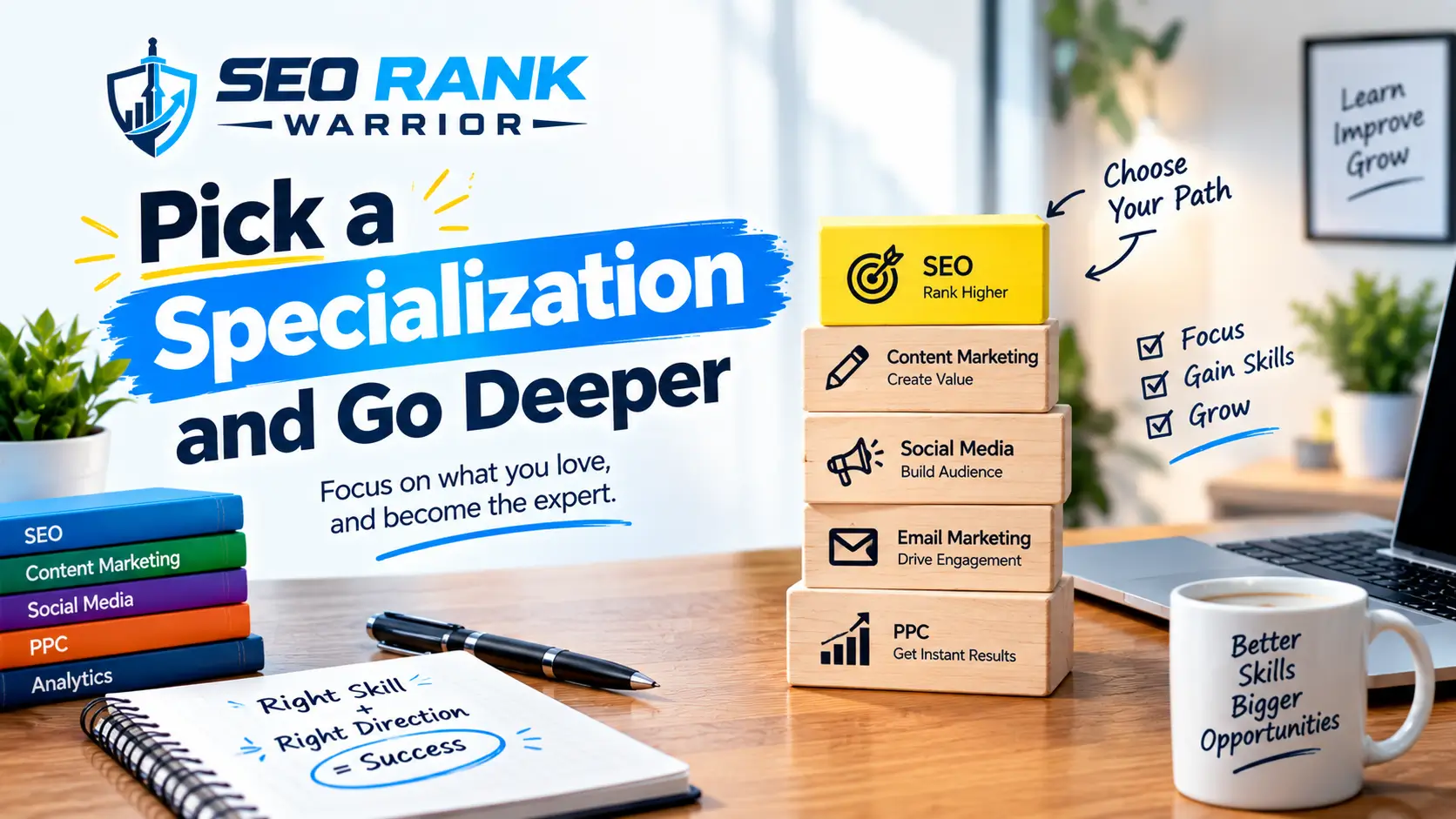
Once you’ve experimented across channels for a month or two, choose one to specialize in based on what you enjoyed most and where you saw the best results. Specializing doesn’t mean abandoning everything else it means becoming the go-to expert in one area while staying conversational in the rest.
Common early-career specializations include SEO specialist, social media coordinator, PPC/paid media associate, and content marketing writer. Each has a slightly different skill emphasis, but all of them value the same thing: measurable results.
Step 6: Start Applying — Don’t Wait to Feel “Ready”
Many beginners delay applying for jobs or freelance work because they don’t feel qualified enough. In digital marketing, this mindset costs you time. The industry moves fast, and the best way to keep learning is to work on real client or employer problems.
Look for entry-level roles like digital marketing assistant, social media coordinator, or SEO intern. If you’d rather freelance, platforms like Upwork and Fiverr are good starting points — even at lower rates initially, they help you build reviews and a track record.
Common Mistakes to Avoid
- Trying to learn everything at once. Depth in one area beats shallow knowledge across ten.
- Skipping practice. Certificates without applied projects rarely convince employers.
- Ignoring analytics. Every good digital marketer can read and explain data, not just create content.
- Underestimating consistency. SEO and content marketing especially take months to show results — don’t quit after two weeks.
How Long Does It Take to Start Digital Marketing?
With consistent effort around 5-10 hours a week most beginners can learn the fundamentals, complete a few real projects, and be ready for entry-level roles or freelance work within three to six months. This timeline can shrink if you already have transferable skills like writing, design, or basic data analysis.
FAQs – How to Start Digital Marketing?
Do I need a degree to start digital marketing?
No. While a marketing degree can help in some corporate roles, most digital marketing jobs and freelance opportunities prioritize demonstrated skills and a strong portfolio over formal education.
Which digital marketing skill is best for beginners to learn first?
Content marketing and social media marketing are generally the easiest entry points since they require minimal budget and technical setup, making them ideal for building initial confidence and a portfolio.
How much does it cost to learn digital marketing?
You can learn the fundamentals for free using resources like Google Digital Garage and HubSpot Academy. Paid courses or certifications (typically $100-$500) can accelerate learning but aren’t required to get started.
Can I start a career in digital marketing with no experience?
Yes. Most professionals start by working on personal projects, volunteering for small businesses, or taking on low-cost freelance gigs to build experience before applying for full-time roles.
How do I get my first digital marketing client or job with no prior work history?
Build a small portfolio using personal or volunteer projects, get certified in one or two free courses, and apply to entry-level roles or freelance platforms while clearly showcasing the results from your practice projects.
Conclusion
Starting digital marketing isn’t about finding the one perfect course or credential it’s about building real, demonstrable skill through consistent practice. Learn the fundamentals, pick a channel that genuinely interests you, build projects you can show off, and start applying before you feel completely ready. The field rewards people who act and iterate, not just people who study.
The best time to start was yesterday. The second-best time is today pick one channel from this guide and begin your first project this week.