
Every smartphone, wind turbine, and electric vehicle battery depends on a small group of chemical elements that most people have never heard of. These are known as critical technology elements, and without them, modern innovation would grind to a halt almost overnight.
In this guide, we break down what a critical technology element actually is, why scientists and governments are paying closer attention to them, where they show up in everyday products, and what challenges lie ahead in securing a stable supply. Whether you’re a student, policy researcher, or simply curious about the materials behind modern tech, this article will give you a clear, well-rounded understanding.
What Is a Critical Technology Element?
A critical technology element, often shortened to TCE, is a chemical element that has become essential to modern and emerging technologies but is difficult to source, extract, or replace. This group typically includes gallium, indium, germanium, tellurium, niobium, tantalum, antimony, thallium, the platinum group metals, and most rare earth elements.
The Basic Definition
Unlike common industrial metals such as iron or copper, technology-critical elements are usually found in very low concentrations in the Earth’s crust. Their defining trait isn’t rarity alone it’s the combination of scarcity, high demand, and the near-total lack of viable substitutes in the applications where they’re used.
Why They Behave Differently from Common Metals
These elements are often extracted as by-products of mining other, more abundant metals, which makes their supply chains fragile and vulnerable to disruption. A slowdown in the primary metal’s production can just as easily choke off the supply of the technology-critical element riding alongside it, even if demand for the TCE itself is climbing.
Why Are These Elements Called “Critical”?

The word “critical” reflects two overlapping concerns: economic importance and supply risk. An element earns this label when a disruption in its availability would cause serious harm to industries, national security, or economic growth, and when few or no alternative materials exist that could fill the gap.
The Origins of the “Critical” Label
This framing traces back decades. Government bodies in the United States and the European Union began formally tracking “critical raw materials” and “critical technologies” starting in the late twentieth century, largely out of concern that dependence on a handful of foreign suppliers could leave entire industries exposed. Today, that concern has only intensified as demand for clean energy technology, semiconductors, and advanced electronics has surged worldwide.
The Rare Earth Connection
It’s worth noting that rare earth elements — often called “the vitamin of modern industry” are frequently grouped alongside technology-critical elements because they share the same underlying problem: indispensable functionality paired with a fragile, geographically concentrated supply chain.
Common Examples of Critical Technology Elements
While the exact list varies slightly between organizations, most classifications converge on a similar set of elements:
- Gallium used in semiconductor wafers, LEDs, and solar cells
- Indium essential for touchscreens and thin-film photovoltaics
- Germanium found in fiber optics and infrared optics
- Tellurium used in thin-film solar panels
- Tantalum and Niobium critical for capacitors in nearly every electronic device
- Platinum group elements used in catalytic converters and fuel cells
- Rare earth elements vital for permanent magnets in wind turbines, electric motors, and defense systems
Each of these plays a highly specific role. Substituting them isn’t as simple as swapping one metal for another; in most cases, the performance, efficiency, or miniaturization that modern devices depend on would suffer significantly.
Where Are Critical Technology Elements Used?
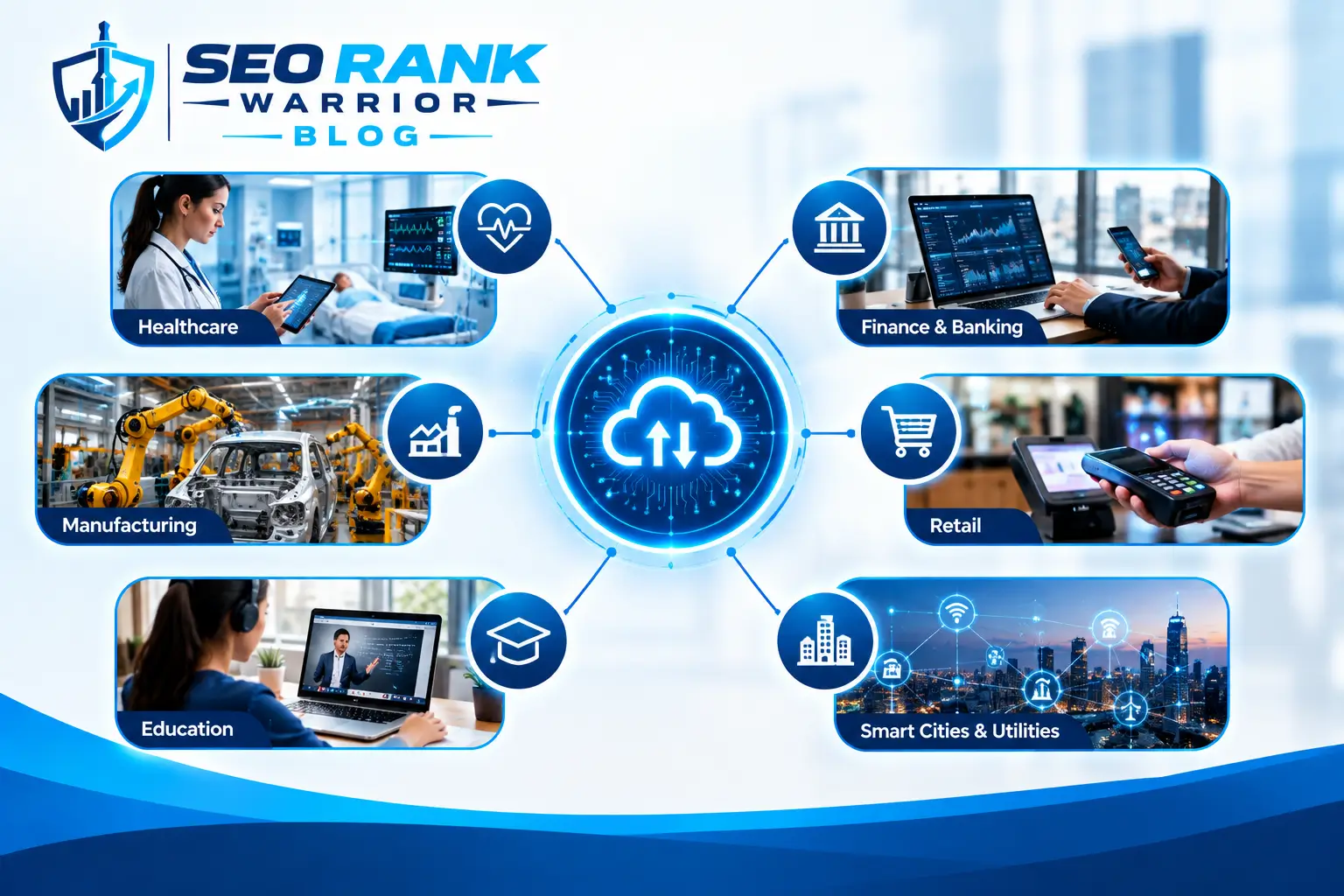
The reach of technology-critical elements extends across nearly every high-growth industry. Renewable energy systems rely on them for magnets, photovoltaic cells, and battery components. Consumer electronics use them in circuit boards, displays, and semiconductors. The defense and aerospace sectors depend on them for guidance systems, radar, and communications equipment.
Even agriculture and urban infrastructure increasingly draw on these elements as sensor networks, precision equipment, and smart-grid technologies expand. This widespread dependence is exactly why disruptions whether from geopolitical tension, export restrictions, or mining slowdowns can ripple across multiple industries at once rather than staying contained to a single sector.
Environmental and Health Concerns Surrounding TCEs
As the use of critical technology elements has grown, so has scientific interest in their environmental footprint. Mining, ore processing, and the disposal of electronic waste release these elements into soil, groundwater, and marine ecosystems. Because many TCEs are still classified as “emerging contaminants,” researchers have far less data on their long-term ecological and toxicological effects compared to well-studied heavy metals like lead or mercury.
What Recent Research Has Found
Recent studies have detected measurable concentrations of elements such as gallium, indium, and various rare earth elements in groundwater, coastal sediments, and even marine wildlife, including apex predators like sharks. Laboratory research has also begun to show that some of these elements can affect human cells differently depending on exposure levels and cell type, prompting calls for more rigorous, standardized toxicological testing.
A Shifting Conversation
This growing body of evidence has shifted the conversation. It’s no longer just about how to secure these materials economically it’s also about how to manage their environmental release responsibly as usage accelerates.
How Is the Criticality of a Technology Element Assessed?
Assessing criticality isn’t a purely scientific exercise; it blends economic modeling, geopolitical analysis, and industrial forecasting. Analysts typically weigh a combination of factors:
- Supply concentration how many countries or companies control global production
- Substitutability wether alternative materials can realistically replace the element
- Demand growth how quickly an industry’s need for the element is expanding
- Recycling potential how efficiently the element can be recovered from waste streams
- Geopolitical stability the political and trade reliability of supplying regions
Different organizations apply these criteria differently, which is part of why no single, universally agreed-upon list of critical technology elements exists. The European Commission, the U.S. Department of Energy, and various academic research groups each maintain their own frameworks, and the specific elements included can shift as technology and market conditions evolve.
Global Efforts to Manage Critical Technology Elements
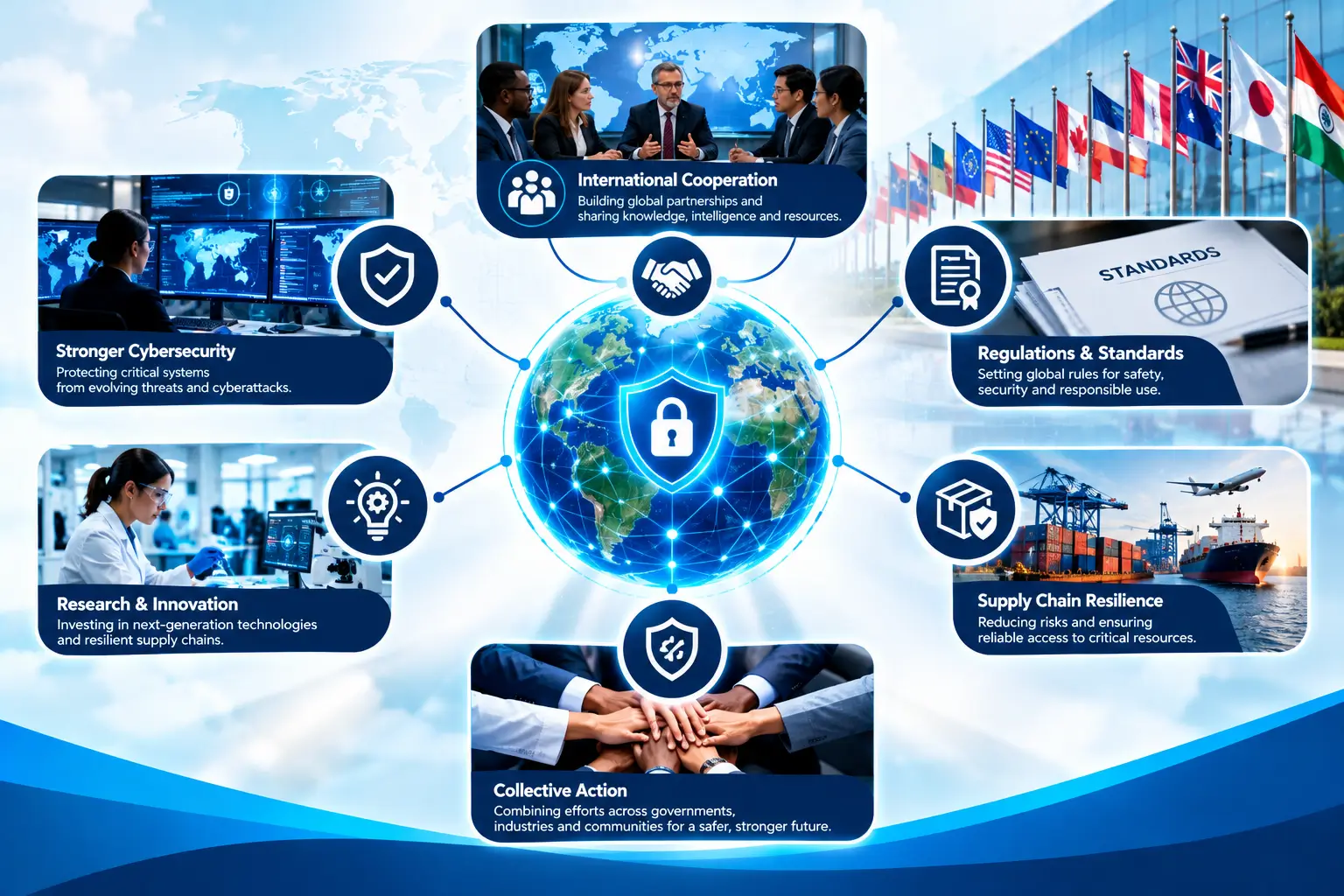
Recognizing the stakes involved, several international bodies have stepped up efforts to study and manage these materials.
Policy and Advisory Action
Environmental advisory panels have published reviews weighing the benefits of technology-critical elements against the ecological costs of extracting them, while proposing recommendations for more sustainable investment. Regional blocs have released strategy documents aimed at reducing dependence on a small number of external suppliers and strengthening domestic recycling capacity.
The Push for Better Classification
Meanwhile, academic researchers continue pushing for a more scientifically grounded classification system. Some argue that current “criticality” categories are based mostly on economic and geopolitical reasoning rather than the actual chemical or ecological behavior of the elements a gap they say limits how effectively environmental risks can be studied and addressed.
Challenges in Securing Critical Technology Elements
Despite growing awareness, several structural challenges make managing critical technology elements difficult:
- Byproduct extraction: Most TCEs are mined as secondary products, meaning their supply is tied to the extraction of unrelated primary metals, limiting flexibility.
- Geographic concentration: A small number of countries dominate global processing capacity, creating single points of failure.
- Slow recycling infrastructure: Recovery rates for many of these elements from electronic waste remain low, despite rising volumes of discarded devices.
- Limited environmental data: Regulatory frameworks struggle to keep pace with the scientific understanding of long-term ecological impacts.
- Rising demand: The global shift toward renewable energy and digital infrastructure is accelerating consumption faster than new supply chains can be developed.
Solving these challenges will likely require coordinated action across mining policy, recycling innovation, environmental research, and international trade cooperation.
The Future of Critical Technology Elements
Looking ahead, the importance of technology-critical elements is only expected to grow. The transition toward electric vehicles, renewable energy grids, and next-generation electronics all hinge on a steady, responsibly sourced supply of these materials. At the same time, expect increased investment in recycling technology, urban mining of electronic waste, and research into potential substitute materials that could ease pressure on the most constrained elements.
Environmental oversight is also likely to tighten. As more studies quantify the ecological and health impacts of TCEs, regulators may begin treating them with the same seriousness historically reserved for conventional heavy metal pollutants.
FAQs – Critical Technology Element
What is the difference between a critical technology element and a critical raw material?
The terms overlap significantly. “Critical raw material” is a broader regulatory term used mainly in EU policy, while “critical technology element” (or TCE) is more commonly used in scientific and environmental research to describe specific chemical elements essential to modern technology.
Are rare earth elements the same as critical technology elements?
Rare earth elements are considered a major subset of critical technology elements. Most classifications include lanthanides alongside elements like gallium, indium, and tantalum under the broader TCE umbrella.
Why can’t industries simply find substitutes for these elements?
In most cases, the specific atomic and chemical properties of TCEs such as conductivity, magnetism, or optical behavior — cannot be replicated by more abundant materials without a significant loss in performance or efficiency.
How are critical technology elements linked to environmental pollution?
Mining, processing, and electronic waste disposal release TCEs into soil, water, and marine ecosystems. Because they are relatively new contaminants of concern, their long-term environmental and health effects are still being studied.
Which industries rely most heavily on critical technology elements?
Renewable energy, consumer electronics, semiconductors, defense and aerospace, and telecommunications are the sectors most dependent on a stable, ongoing supply of these elements.
Conclusion
Critical technology elements sit at the intersection of innovation, geopolitics, and environmental responsibility. They power the devices, energy systems, and infrastructure that define modern life, yet their scarcity and environmental footprint present real challenges that researchers, industries, and policymakers are still working to solve. As demand continues to climb, understanding what these elements are and why they matter is becoming essential knowledge, not just for scientists and policymakers, but for anyone interested in the materials quietly shaping the future of technology.