
Email marketing news moves fast, and 2026 has been one of the busiest years yet. Between Gmail’s AI-powered inbox changes, tighter sender authentication rules, and a surprising newsletter comeback, marketers who aren’t tracking these shifts are already falling behind. If you manage even one email list, the decisions inbox providers make this year will directly affect whether your messages get opened, ignored, or buried in spam.
This guide breaks down the most important email marketing news of 2026 in plain language, backed by real data and real campaign examples. You’ll walk away knowing exactly what’s changing, why it matters, and what to do about it before your competitors figure it out first.
Why Email Marketing News Matters More Than Ever in 2026
For years, email was treated as the “set it and forget it” channel. Write a newsletter, send it out, check the open rate, move on. That approach no longer works.
Inbox providers like Gmail and Yahoo are now using artificial intelligence to summarize, prioritize, and even hide messages before a subscriber ever sees them. Regulations like stricter bulk-sender requirements have made technical compliance mandatory rather than optional. And consumer behavior has shifted too, with people trusting curated newsletters more than social feeds. Staying current with email marketing news isn’t a nice-to-have anymore; it’s how you protect deliverability, revenue, and subscriber trust all at once.
Top Email Marketing News and Trends Shaping 2026
AI Is Redefining What “Reaching the Inbox” Means
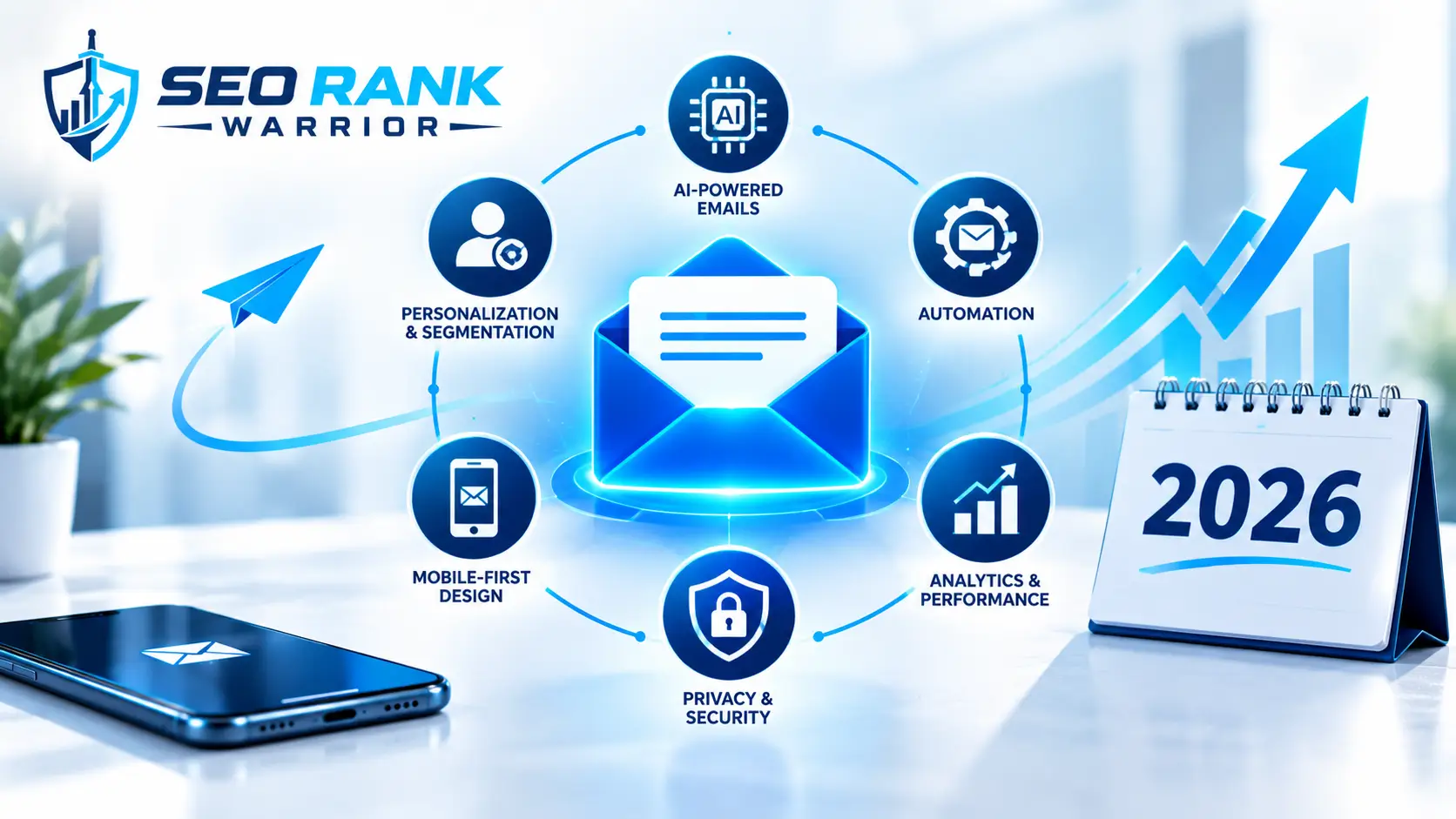
The biggest story in email marketing news this year is the rise of AI-curated inboxes. Gmail’s AI-driven summarization and prioritization tools are increasingly deciding which emails get surfaced and which quietly disappear into a digest. Industry commentary at recent marketing conferences has framed this shift bluntly: the inbox itself is becoming the new algorithm, much like social feeds did a decade ago.
This means subject lines and preview text alone are no longer enough. Marketers now need to think about how their content performs when an AI system summarizes it, not just how a human skims it. Brands that write clear, specific, value-first copy are seeing better results than those relying on vague hype language, because AI summarization tools tend to reward clarity over cleverness.
Deliverability and Authentication Rules Keep Tightening
Bulk sender requirements introduced by major inbox providers have continued to evolve throughout 2026, with new DMARC, SPF, and DKIM enforcement layers rolling out and Gmail testing additional verification methods to ease and secure the sign-up process. For everyday marketers, this translates into one clear takeaway: authentication is no longer a technical afterthought handled once during setup. It needs ongoing monitoring.
Sender reputation now behaves almost like a credit score. Poor list hygiene, sudden volume spikes, or unauthenticated domains can tank deliverability fast, and recovering from a damaged sender reputation often takes months. This is one reason email marketing news outlets increasingly cover deliverability with the same urgency they once reserved for design trends.
The Newsletter Comeback Is Real
Newsletter platforms have expanded their advertising sales teams significantly this year as demand grows for email-native ad inventory, a trend that reflects a much bigger pattern: readers are gravitating back toward curated, trusted email content instead of algorithm-driven social feeds. Industry data shows a majority of B2B marketers now treat email newsletters as one of their most effective content marketing tools.
This resurgence isn’t nostalgia. It’s a direct response to feed fatigue. Subscribers increasingly want a predictable, ad-light space that feels personal rather than performative, and brands publishing consistent, high-value newsletters are capturing attention that used to belong to social platforms.
Automation Is Driving Disproportionate Revenue
One of the clearest data points in recent email marketing news coverage is just how much value automated flows generate compared to one-off broadcast campaigns. Automated emails now generate roughly 30% of total email revenue from only about 2% of total sends, earning many times more per send than standard campaigns. Separate industry benchmarking shows automated campaigns delivering dramatically higher conversion rates than traditional broadcast sends.
The takeaway is straightforward: welcome series, abandoned cart flows, win-back sequences, and post-purchase journeys are punching far above their weight. Brands still relying primarily on manual, one-time blasts are leaving significant revenue on the table.
Mobile Design and Accessibility Are No Longer Optional
Mobile remains the dominant environment for reading email, yet a large share of companies still aren’t designing fully responsive campaigns. Accessibility regulations, including requirements tied to the European Accessibility Act, have pushed accessible, mobile-friendly email design from a best practice to a legal expectation for many global senders in 2026. Emails that render poorly on a phone screen, or that assistive technology can’t interpret correctly, now carry both a conversion cost and a compliance risk.
Key Email Marketing Statistics You Should Track in 2026
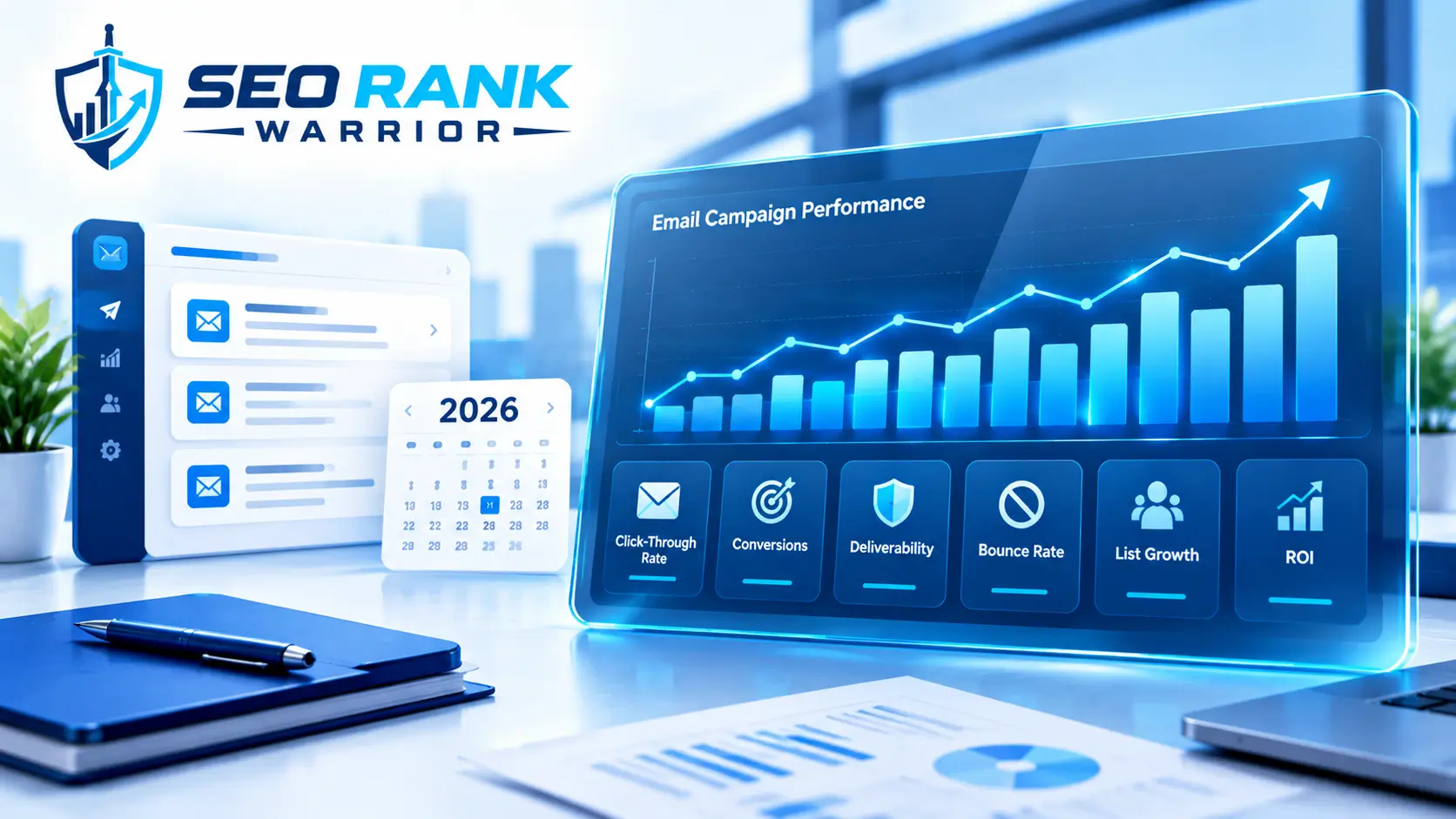
Numbers tell the story behind the headlines. Here are some of the data points shaping how marketers plan campaigns this year:
- The global email marketing market is projected to grow from roughly $13.72 billion in 2026 to $22.93 billion by 2031, reflecting a compound annual growth rate above 10%.
- Average email ROI figures across recent industry reports range widely, with several sources citing returns between $36 and $42 for every $1 spent, making email one of the highest-ROI channels available.
- Open rates have climbed for several consecutive years, though most analysts now treat open rate as a directional signal rather than an absolute metric, largely because of Apple Mail Privacy Protection inflating reported opens.
- A large share of marketers, nearly half in some surveys, report average open rates landing between 20% and 40%, underscoring how much variation exists across industries.
- Global daily email volume now sits above 390 billion messages, with continued growth expected through 2027 and beyond.
These figures matter less as isolated facts and more as a pattern: the channel is growing, but the gap between top-performing programs and average ones is widening. Programs built on segmentation, automation, and authentication consistently outperform programs that still treat email as a single undifferentiated list.
How Leading Brands Are Adapting
Real campaign data offers a clearer picture than trend reports alone. Several brands have publicly shared results that illustrate where email marketing is heading.
One athletic apparel company moved from simple batch-and-blast sending to predictive, behavior-driven segmentation and reported a fivefold increase in email-attributed revenue within six months, alongside substantial database growth. A home improvement retailer used category-based preference collection at sign-up to route new subscribers directly into relevant content, driving an 8% conversion rate during peak promotional periods. A fashion retailer applied automated product recommendations built on buyer intent signals and saw a 37% year-over-year increase in Black Friday revenue.
What connects these examples isn’t the specific tactic; it’s the underlying shift from static, calendar-based sending toward dynamic campaigns that respond to real customer behavior, inventory, and purchase history in real time. This is increasingly the dividing line between programs that grow and programs that stagnate.
Practical Steps to Stay Ahead of Email Marketing News
Reading the news is useful, but acting on it is what actually protects your results. A few practical moves worth prioritizing this year:
First, audit your authentication setup. Confirm SPF, DKIM, and DMARC are properly configured and monitor them regularly rather than checking once and forgetting about it. Second, invest in at least a few automated flows if you haven’t already, starting with welcome sequences and cart abandonment, since these consistently outperform broadcast sends. Third, review your email templates on mobile devices and test them with accessibility tools, since design gaps here now carry both engagement and compliance consequences.
Fourth, pay attention to how your subject lines and preview text read when summarized, since AI-curated inboxes increasingly determine visibility. And fifth, treat list hygiene as an ongoing discipline rather than a one-time cleanup, removing disengaged contacts before they quietly damage sender reputation.
Common Mistakes That Hurt Email Performance
Even experienced marketing teams fall into predictable traps. Sending to a full list without segmentation remains one of the most common issues, since it ignores the behavioral and purchase data that now drives the strongest results. Ignoring deliverability until problems appear is another frequent mistake; by the time open rates crash, sender reputation damage can take weeks or months to repair.
Overpersonalization has also become a real risk. Some brands push hyper-targeted content so aggressively that it feels intrusive rather than helpful, leading to fatigue and higher unsubscribe rates. Finally, treating every subscriber the same regardless of engagement level, rather than adjusting frequency and content based on how actively someone interacts with your emails, continues to be one of the fastest ways to damage long-term list health.
FAQs – Email Marketing News
Where can I find reliable, up-to-date email marketing news?
Industry publications that specialize in marketing technology and advertising news are generally the most reliable sources, since they cover platform changes, deliverability updates, and campaign case studies as they happen, often citing primary data from research firms and email service providers.
Why does Gmail’s AI inbox matter for my email strategy?
AI-driven inbox features now decide which emails get surfaced, summarized, or buried before a subscriber ever opens their inbox. If your content isn’t clear and value-focused, it may lose visibility regardless of how good your subject line is.
Is email marketing still worth investing in given social media and AI assistants?
Yes. Email continues to deliver some of the highest returns of any digital channel, and the current newsletter resurgence shows subscribers actively prefer curated email content over algorithm-driven feeds in many cases.
How often should I check email marketing news and trends?
Monthly reviews are a reasonable baseline for most teams, though deliverability and authentication requirements should be monitored continuously, since inbox provider policies can change with little advance notice.
What’s the single biggest email marketing trend to watch right now?
The shift toward AI-curated inboxes combined with stricter authentication requirements is the trend with the most immediate impact, since it affects whether your emails are even seen, regardless of how strong your content or design is.
Conclusion
Email marketing news in 2026 tells a consistent story: the channel isn’t shrinking; it’s maturing. AI is changing how inboxes prioritize content, authentication requirements are becoming stricter, and newsletters are winning back attention that social platforms had claimed for years. Automated, behavior-driven campaigns are consistently outperforming static broadcasts, and brands willing to invest in segmentation, deliverability, and mobile-first design are the ones pulling ahead.
None of this requires a complete strategy overhaul overnight. Start with the fundamentals, clean authentication, a few well-built automation flows, mobile-friendly design, then build from there as new developments emerge. The marketers who treat email marketing news as an ongoing part of their workflow, rather than something to catch up on once a year, are the ones best positioned to keep their campaigns landing in the inbox and converting once they get there.