
If your dog stares at you every time you open a cheese packet, you may wonder, can dogs eat cheese or whether dairy is better left off the menu. The short answer is yes, many healthy dogs can eat small amounts of certain cheeses, but cheese should be an occasional treat rather than a regular part of a dog’s diet.
The type of cheese, portion size, ingredients, and your dog’s individual health all matter. Some dogs tolerate cheese without a problem, while others may develop gas, diarrhea, vomiting, or other digestive issues. Certain cheeses can also contain ingredients that are unsafe for dogs.
Can Dogs Eat Cheese?
Yes, dogs can eat cheese in moderation, provided the cheese is appropriate and does not contain harmful ingredients. Cheese contains protein and can be useful as a high-value reward, particularly during training or when you need to encourage a dog to take medication.
However, cheese is also relatively high in fat and calories, and many varieties contain significant amounts of sodium. Some dogs also have difficulty digesting lactose, the natural sugar found in dairy products. For these reasons, cheese should remain a small occasional treat rather than replacing balanced dog food.
A healthy dog that has no known dairy sensitivity may be able to enjoy a tiny piece of suitable cheese without problems. Still, it is best to introduce it gradually and observe how your dog reacts.
Is Cheese Good for Dogs?
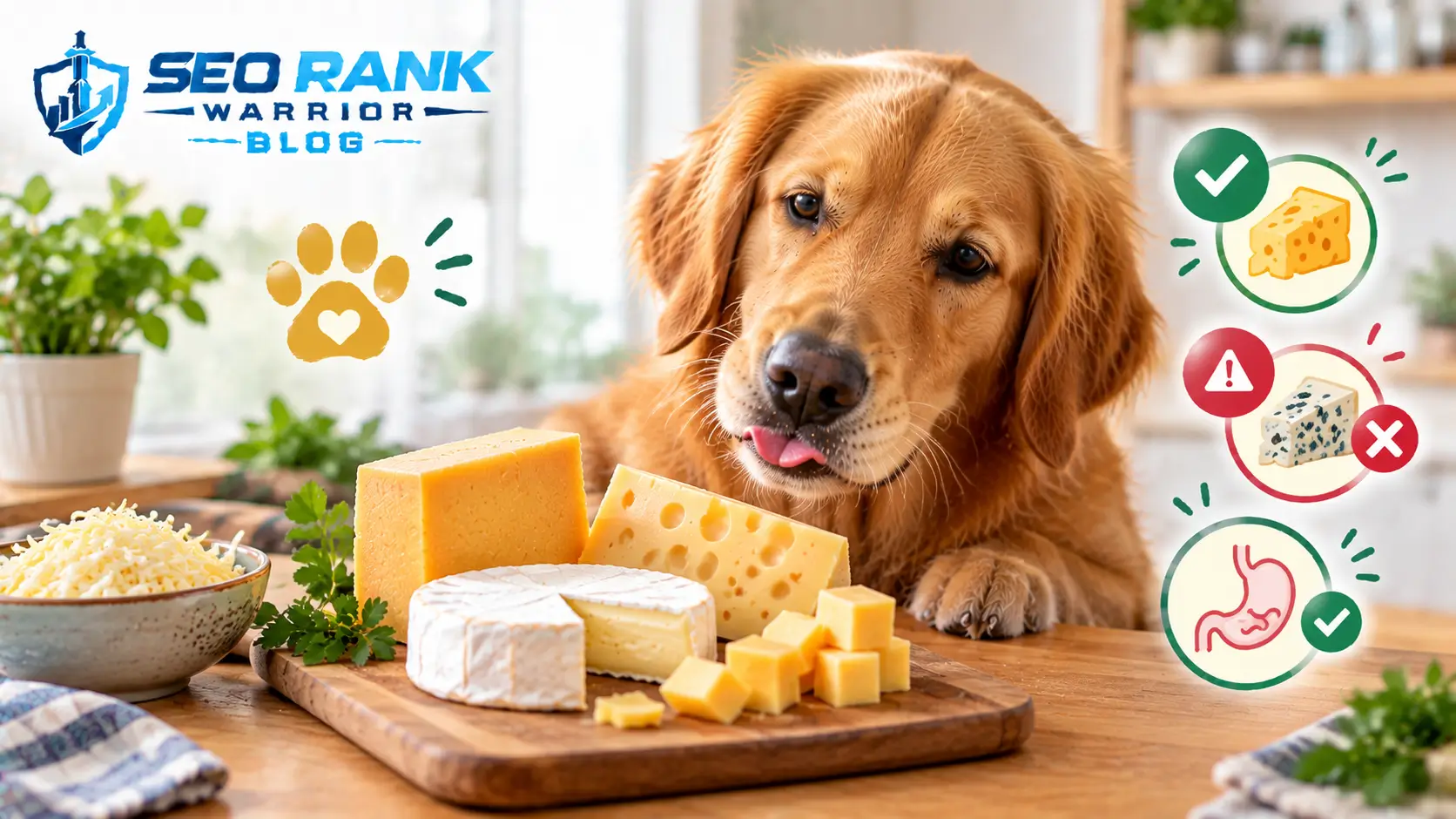
Cheese is not necessary for a dog’s diet, but small portions can have practical benefits when used appropriately.
It provides protein and can be highly appealing to dogs, which makes it useful as a reward. Some owners use tiny cheese pieces during obedience training because dogs may be especially motivated by its smell and taste.
Cheese can also be useful for hiding certain medications when a veterinarian has recommended the medication and the cheese itself is suitable for the dog.
That said, cheese should not be considered a nutritional requirement. A complete and balanced dog food should provide the nutrients your dog needs. Treats, including cheese, should complement the regular diet rather than becoming a major source of calories.
For dogs that are overweight, have digestive problems, or have been prescribed a special diet, cheese may not be an appropriate treat at all.
What Are the Risks of Feeding Cheese to Dogs?
Although a small piece of suitable cheese may be tolerated by many dogs, there are several reasons to avoid giving too much.
Lactose Intolerance and Digestive Problems
Some dogs do not digest lactose efficiently. Dogs vary in how well they tolerate dairy, so one dog may eat a small amount of cheese without an issue while another develops digestive symptoms.
Possible signs of intolerance include:
- Gas
- Bloating
- Loose stools
- Diarrhea
- Vomiting
- Abdominal discomfort
Cheese generally contains less lactose than milk, but that does not mean every dog can tolerate it.
If your dog develops digestive problems after eating cheese, stop offering it and monitor the symptoms. Persistent or severe vomiting, diarrhea, pain, or other concerning signs should be discussed with a veterinarian.
High Fat and Calories
Many cheeses contain considerable amounts of fat and calories. A small piece may seem insignificant, but frequent treats can add up quickly, especially for small dogs.
Regularly feeding calorie-dense treats can contribute to unwanted weight gain. Extra weight can affect a dog’s overall health and make it harder to maintain an appropriate body condition.
For dogs that need to lose weight or maintain a strict calorie intake, lower-calorie treats, such as small pieces of carrots, may be more suitable than cheese.
Salt and Sodium
Cheese can also contribute sodium to a dog’s diet. While sodium is an essential nutrient, excessive amounts are not desirable.
Highly processed cheeses and heavily salted varieties can be particularly unsuitable as frequent treats. When choosing cheese for a dog, a simple variety with fewer unnecessary ingredients is generally preferable to heavily processed or flavored products.
Pancreatitis and Other Health Concerns
The high fat content of some cheeses is an important concern for dogs with a history of pancreatitis or other conditions requiring dietary fat restriction.
A dog that has previously experienced pancreatitis may need a veterinarian-approved low-fat diet, meaning cheese may not be an appropriate treat. Dogs with obesity, diabetes, food allergies, chronic digestive problems, or other medical conditions may also have dietary restrictions.
If your dog has a medical condition or follows a prescription diet, check with your veterinarian before adding cheese.
How Much Cheese Can Dogs Eat?
The appropriate amount depends on your dog’s size, overall diet, calorie needs, health, and tolerance.
Cheese should be treated as an occasional reward rather than a daily food. PetMD recommends keeping cheese within the broader limit for treats, with treats generally making up no more than about 10% of a dog’s daily calorie intake.
A practical starting point is a very small piece. If your dog has never eaten cheese before, do not begin with a large serving.
Cheese Portions by Dog Size
As a general guide, PetMD suggests portions ranging from one or two pea-sized pieces for extra-small dogs to several small cubes for larger dogs. These portions are intended for healthy-weight dogs and should not be treated as a universal prescription.
| Dog Size | Approximate Treat Portion |
| Extra-small | 1–2 pea-sized pieces |
| Small | 1–2 small cubes |
| Medium | 3–4 small cubes |
| Large | 5–6 small cubes |
| Extra-large | 7–8 small cubes |
These are only general guidelines. A dog’s individual calorie requirements can vary considerably.
How Often Can Dogs Have Cheese?
For a healthy dog that tolerates cheese, occasional feeding is more appropriate than making it a daily habit. PetMD’s guidance suggests cheese only a few times per week at most for healthy-weight dogs.
Remember that treats from other sources count toward your dog’s daily calorie intake too. If your dog already receives several treats during the day, adding cheese may provide unnecessary extra calories.
What Types of Cheese Can Dogs Eat?
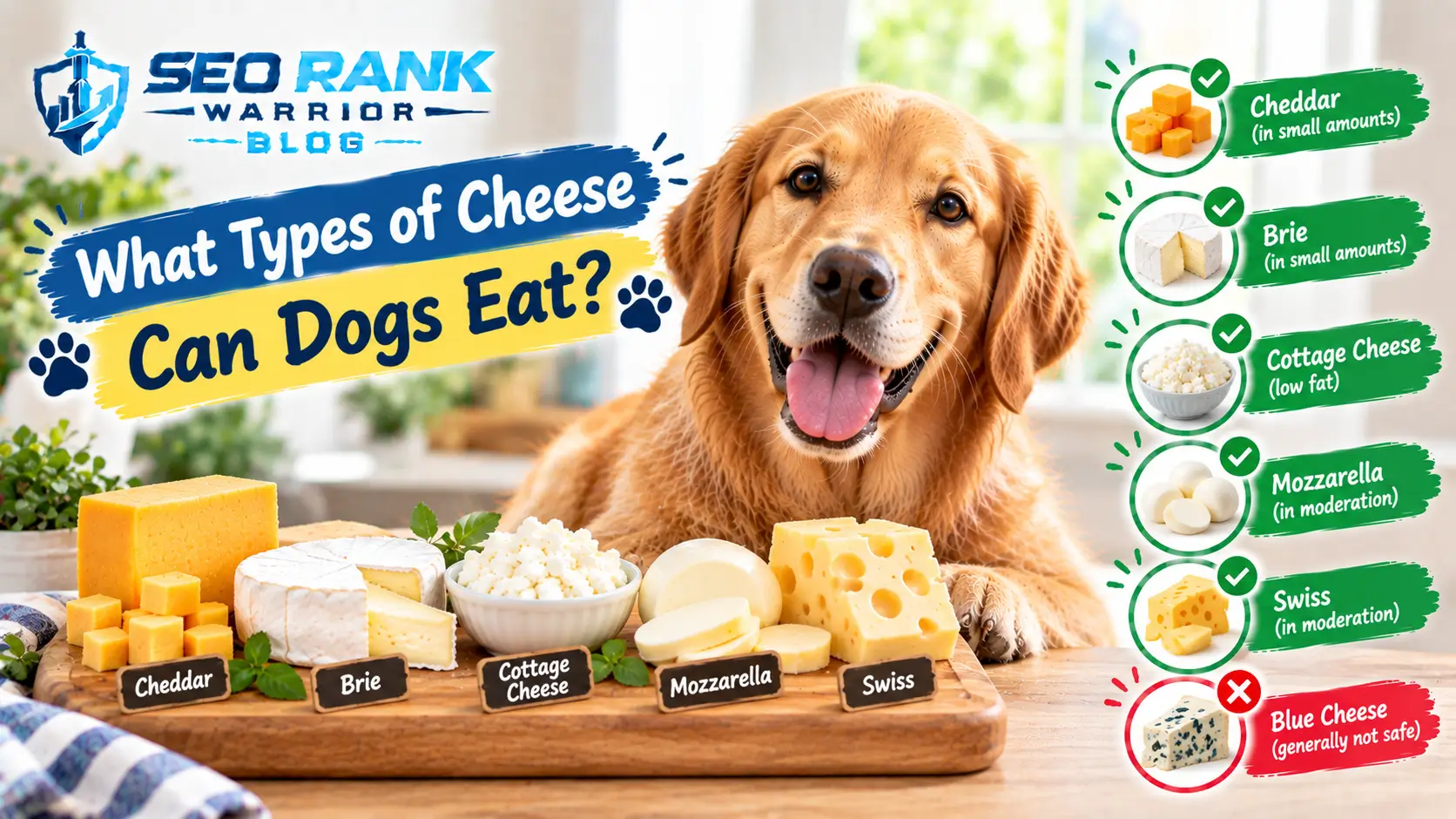
Not every cheese is equally suitable for dogs. If you decide to offer cheese, choose a plain variety without dangerous seasonings, excessive salt, or unnecessary additives.
Cottage Cheese
Cottage cheese is often considered one of the more suitable options because some varieties are relatively lower in fat and may be easier to incorporate in small portions.
However, check the label because cottage cheese products vary. Some contain substantial sodium or additional ingredients.
Lily’s Kitchen specifically identifies cottage cheese as a more suitable option because of its relatively low-fat profile and digestibility compared with some other cheeses.
Mozzarella
Plain mozzarella can be given to some dogs in small amounts. It is often lower in fat than several richer cheeses, although the exact nutritional profile varies by product.
Choose plain mozzarella without garlic, onion, spicy seasoning, or other ingredients that may be unsafe for dogs.
Cheddar
Dogs can eat small amounts of plain cheddar if they tolerate dairy. Cheddar is flavorful, so a tiny piece may be enough for training.
Because cheddar can be relatively calorie-dense and salty, it should remain an occasional reward rather than a routine snack.
Goat Cheese
Plain goat cheese may be tolerated by some dogs, but it is still a dairy product and can contain substantial fat. Goat cheese should therefore be offered only in small amounts, if at all, and dogs with dairy sensitivity may need to avoid it.
Parmesan and Other Hard Cheeses
Hard cheeses such as parmesan can be particularly concentrated in flavor and sodium. A very small amount may be enough, but they are not ideal as frequent treats.
Always consider the dog’s overall diet and the nutritional content of the specific product rather than assuming that one type of cheese is automatically safe in unlimited amounts.
Which Cheeses Should Dogs Avoid?
Some cheeses pose additional risks because of mold, toxic ingredients, excessive processing, or added seasonings.
Blue Cheese
Dogs should not be given blue cheese. Certain blue cheeses can contain compounds associated with molds, including roquefortine, which can be dangerous to dogs.
This includes cheeses such as Roquefort, Stilton, and other blue-veined varieties. Because the risk is unnecessary, blue cheese is best kept completely away from dogs.
Cheese With Garlic or Onion
Garlic and onion are unsafe for dogs, including when they appear as ingredients in foods such as flavored cheese spreads or seasoned cheese products.
Never assume that a small amount of flavored cheese is safe simply because the base ingredient is cheese. Always check the ingredient list.
Cheese With Other Unsafe Additives
Avoid cheese products containing ingredients such as:
- Garlic
- Onion
- Chives
- Certain nuts
- Raisins or grapes
- Artificial or heavily processed flavorings
- Excessive spices
Plain cheese is much easier to assess than a product containing multiple added ingredients.
Can Puppies Eat Cheese?
Puppies may be able to tolerate a tiny amount of suitable cheese, but it is not necessary for their growth or development.
Puppies need a complete diet specifically formulated to support growth. Treats should remain limited so they do not displace nutritionally complete food.
If you want to introduce cheese to a puppy, start with a very small piece and monitor for digestive problems. Puppies can be more sensitive to dietary changes, so introducing new foods gradually is sensible.
If your puppy has ongoing diarrhea, vomiting, poor appetite, or another health concern, avoid experimenting with treats and speak with your veterinarian.
Can Dogs Eat Cheese If They Are Lactose Intolerant?
Dogs with lactose intolerance may experience digestive problems after eating dairy products. Cheese can contain less lactose than milk, but it is not automatically suitable for every lactose-intolerant dog.
If your dog has previously reacted to dairy, it is better not to assume that a different cheese will solve the problem.
Watch for symptoms such as:
- Gas
- Diarrhea
- Bloating
- Vomiting
- Digestive discomfort
If your dog has a known dairy intolerance or allergy, ask your veterinarian about appropriate alternatives.
Can Dogs Eat Processed Cheese?
Processed cheese products require more caution because their ingredients and nutritional profiles can vary considerably.
Cream Cheese
Plain cream cheese may be tolerated in a tiny amount by some healthy dogs, but it is often high in fat and calories. Flavored cream cheese can also contain ingredients that dogs should not eat.
Avoid varieties containing garlic, onion, herbs, spices, or other unsafe additions.
String Cheese
Plain string cheese can be given to some dogs in small pieces, provided it does not contain unsafe flavorings.
Because string cheese can be easy to overfeed, especially to a small dog, break it into tiny portions instead of giving the entire stick.
American and Processed Cheese Slices
Processed cheese slices are not usually the first choice for a dog treat because they can contain more sodium and additional ingredients than simpler cheese varieties.
If you use cheese as an occasional reward, plain cheese in a very small portion is generally easier to manage.
Can Dogs Eat Cheese for Training?
Yes, small pieces of suitable cheese can work as a high-value training reward.
Dogs often find cheese highly appealing, which can make it useful when teaching a new behavior or working in a distracting environment. The key is portion control.
Instead of giving large cubes, cut cheese into tiny pieces. A reward does not need to be large to be motivating.
For frequent training sessions, consider rotating cheese with lower-calorie dog treats so your dog does not consume excessive calories.
Cheese should also be included in the overall daily treat allowance rather than being added on top of unlimited snacks.
Can You Use Cheese to Hide a Dog’s Medication?
Cheese can sometimes be used to help conceal medication, but this should be done only when the medication can safely be given with food.
Some medications need to be given on an empty stomach, while others may interact with certain foods. Never assume that wrapping every pill in cheese is appropriate.
If your veterinarian has confirmed that the medication can be given with food, a small amount of suitable cheese may help make administration easier.
If your dog regularly needs medication, ask your veterinarian whether there is a better food-based option or a specially formulated treat designed for medication.
Can Dogs Eat Mac and Cheese?
Mac and cheese is not a good regular food for dogs.
Although plain cooked pasta and small amounts of some cheeses may be tolerated individually, commercial or homemade mac and cheese can contain large amounts of fat, sodium, dairy, butter, seasonings, and other ingredients.
Some recipes may also contain onion, garlic, or other ingredients that are unsafe for dogs.
If your dog accidentally eats a small amount, monitor them for digestive symptoms. If they consume a large quantity or the recipe contains a potentially toxic ingredient, contact your veterinarian for advice.
What Should You Do If Your Dog Eats Too Much Cheese?
If your dog eats more cheese than intended, do not immediately panic. The appropriate response depends on how much was eaten, the type of cheese, and your dog’s size and health.
Watch for signs such as:
- Vomiting
- Diarrhea
- Excessive gas
- Bloating
- Abdominal discomfort
- Loss of appetite
- Unusual lethargy
If the cheese contained blue mold, garlic, onion, raisins, grapes, or another potentially harmful ingredient, contact a veterinarian promptly rather than waiting for symptoms.
Dogs with a history of pancreatitis or other dietary-sensitive conditions may also require earlier veterinary advice after eating a high-fat food.
Do not induce vomiting unless a veterinarian specifically tells you to do so.
How to Give Cheese to Your Dog Safely
If your dog is healthy and your veterinarian has no concerns about dairy, a few simple practices can make cheese treats easier to manage:
- Start with a tiny amount. This lets you see whether your dog tolerates it.
- Choose plain cheese. Avoid garlic, onion, spices, and other unsafe ingredients.
- Read the ingredient label. Do not rely only on the name of the product.
- Keep portions small. Cheese is a treat, not a meal.
- Consider the calories. Reduce other treats if necessary.
- Avoid blue cheese. Mold-related compounds can make certain varieties dangerous.
- Monitor your dog. Watch for digestive problems after introducing cheese.
- Consider your dog’s health. Dogs with pancreatitis, obesity, allergies, or prescription diets may need to avoid cheese.
- Use cheese strategically. Tiny pieces can work well for training or approved medication administration.
- Ask your veterinarian when unsure. Individual dietary needs vary from dog to dog.
FAQs – Can Dogs Eat Cheese?
Can dogs eat cheese every day?
Cheese is better used as an occasional treat rather than a daily food. Frequent servings can add unnecessary calories, fat, and sodium to the diet. Dogs with specific health conditions may need to avoid it altogether.
What is the best cheese for dogs?
There is no single best cheese for every dog. Plain, relatively lower-fat options such as some cottage cheese or mozzarella products may be easier choices, but the specific nutritional content and your dog’s individual tolerance still matter.
Can dogs eat cheddar cheese?
Healthy dogs may tolerate small amounts of plain cheddar cheese. Because cheddar can be relatively high in calories and fat, it should be given sparingly and not used as a major part of the diet.
Can dogs eat blue cheese?
No. Blue cheese should be avoided because certain molds used in blue cheeses can produce compounds such as roquefortine that may be harmful to dogs.
Can dogs eat cheese if they are lactose intolerant?
Some lactose-intolerant dogs may react even to cheese, while others may tolerate very small amounts. If your dog has a known dairy intolerance or repeatedly develops digestive symptoms after eating cheese, it is safer to avoid it and ask your veterinarian about alternatives.
Conclusion
So, can dogs eat cheese? For many healthy dogs, a small amount of plain, suitable cheese can be an occasional treat. The safest approach is to keep portions small, choose simple varieties, avoid blue cheese and unsafe added ingredients, and watch for digestive reactions.
Cheese is not essential to a dog’s diet, and dogs with pancreatitis, obesity, dairy intolerance, allergies, or other dietary restrictions may need to avoid it. When in doubt, your veterinarian can help you determine whether cheese fits your dog’s individual nutritional needs.