
Bringing home a pet snake is exciting, but many new owners freeze the first time they need to actually pick one up. Will it bite? Will it panic? Is there a “right” way to hold it? These are fair questions, and getting the answers wrong can stress your snake out or leave you with a nervous, defensive pet.
Learning how to handle a pet snake safely isn’t complicated once you understand a few core principles: read your snake’s body language, move slowly, support its body correctly, and know what to do if things don’t go as planned. This guide covers proper snake handling technique from your very first pickup to what actually happens if a snake bites you.
Read Your Snake’s Body Language First
Before you even open the enclosure, take a moment to look at your snake. A relaxed snake usually rests in a loose coil or moves slowly around its habitat. A stressed or defensive snake often tells you before it acts: a tight, coiled “S” shape, hissing, tail rattling or vibrating against the substrate, or a head pulled back in a striking position.
If you notice any of these signs, it’s best to wait. Handling a snake in defense mode teaches it that being touched means danger, which makes every future interaction harder. Snakes aren’t aggressive by nature they’re prey animals as much as predators, and in the wild, being grabbed almost always means something is trying to eat them. Respecting that instinct is the foundation of safe handling, and it also explains why a close snake encounter sudden movement right next to the enclosure can trigger a defensive reaction even when you mean no harm.
Set Up an Environment That Builds Confidence

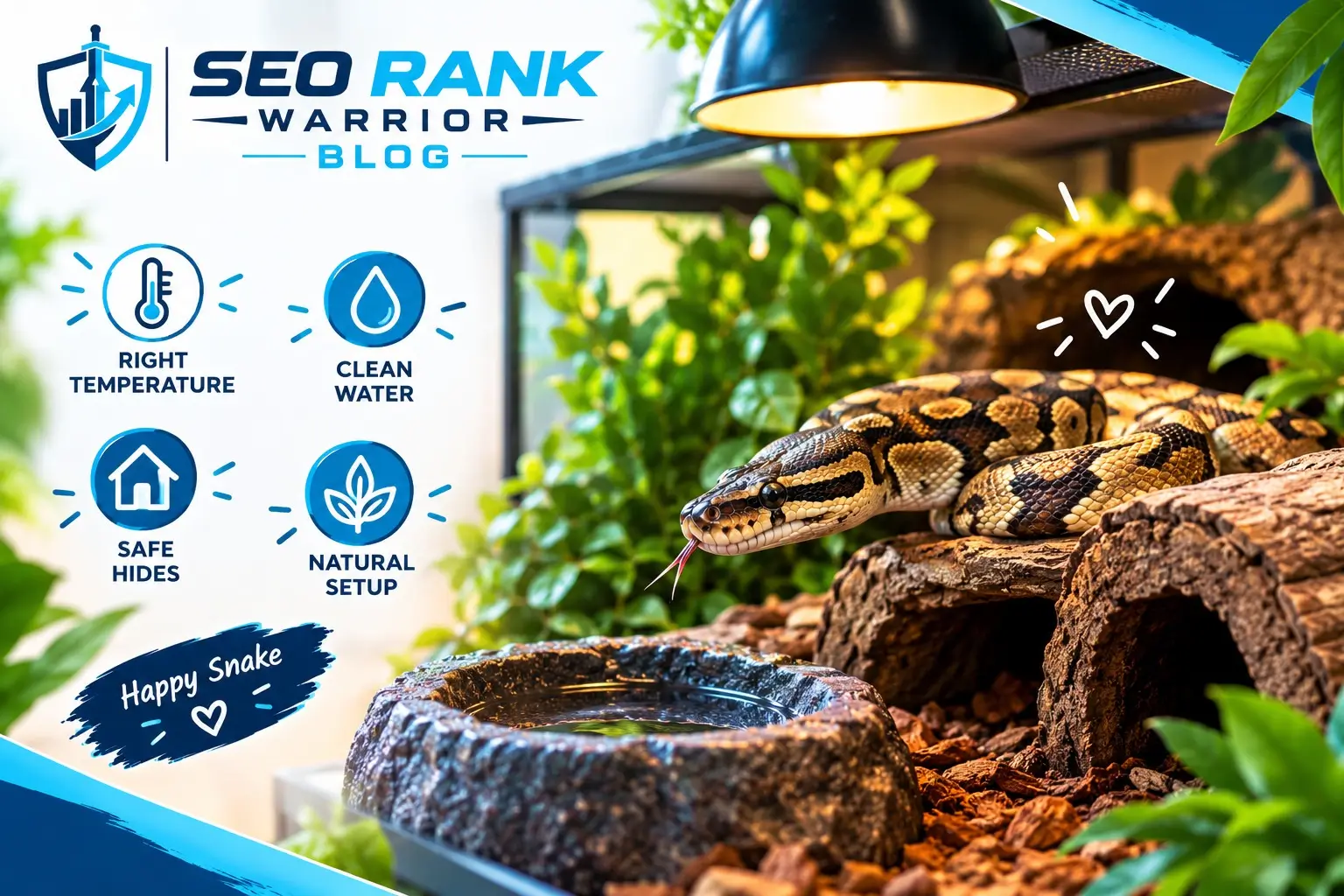
A snake that feels secure in its enclosure is far easier to handle. Make sure your pet has at least one snug hide box where it can retreat and feel enclosed, an appropriate temperature and humidity for its species, and minimal ongoing disturbance. A snake that never gets to feel truly hidden and safe will stay on edge, and that anxiety carries over into handling sessions.
New snakes also need an adjustment period. Give a newly acquired snake at least a week (longer for nervous individuals) to settle into its new environment before attempting to handle it regularly.
How to Catch a Snake the Right Way
Trapping a snake in a corner, cornering it against the glass, or trying to grab snake coils quickly are among the fastest ways to trigger a defensive bite. Follow these steps instead:
- Approach slowly and from the side, not from directly above. Snakes have limited depth perception, and a hand coming straight down from above can look like a predator strike (like a hawk or owl).
- Let your snake see and smell your hand first. A brief pause lets it register that you’re not a threat.
- Scoop, don’t grab. Slide your hand underneath the mid-body and lift gently, allowing the snake to move through your hands rather than being clamped in one spot.
- Support at least two points of the body as you lift never dangle a snake by the tail or midsection alone.
- Keep your movements slow and deliberate the entire time you’re handling it.
This slow, predictable approach applies whether you’re picking up a corn snake, a boa, or a ball python the principles of how to catch a snake safely, without trapping or cornering it, don’t change much between species, though bigger or more powerful constrictors call for extra caution and, ideally, a second person.
Proper Hand Position While Holding Your Snake
Once your snake is out, good support matters just as much as a gentle grip. Hold the upper portion of the body with one hand and the lower or middle portion with the other, letting the snake glide and explore rather than staying pinned in place. Never squeeze or restrain the snake tightly a firm but relaxed grip is enough to keep it secure without triggering a panic response.
If your snake is longer than about six feet, or is known to be flighty or defensive, handle it with a second person present. Two sets of hands make it far easier to support the snake’s full body weight and respond quickly if it becomes agitated.
Limit distractions during handling sessions too. Loud environments, other pets nearby, or too many people trying to touch the snake at once can all make it uneasy. Choose a calm, quiet space, and keep early sessions short five to ten minutes is plenty while your snake is still adjusting to you.
What If Your Snake Doesn’t Want to Be Handled?
Not every snake enjoys being picked up, and that’s normal. Signs your snake wants to be left alone include pulling away toward its hide, hissing, or repeatedly trying to move off your hands toward the enclosure. Respect this. Forcing interaction on a snake that’s clearly communicating discomfort only reinforces that handling is unpleasant, making bites and defensive behavior more likely over time, not less.
It also helps to avoid handling for at least 24–48 hours after feeding. A snake that’s just eaten may associate movement near its enclosure with food, increasing the odds of an accidental “feeding response” bite.
Does a Ball Python Bite? What You Need to Know
Ball pythons are among the most popular pet snakes, largely because of their famously calm temperament but a common question new owners search for is: does a ball python bite? Or phrased slightly differently, do ball pythons bite, and do ball pythons bite more than other beginner species? The honest answer is yes, it can, though it’s relatively rare with proper handling.
Understanding ball python snake bites starts with knowing they generally fall into two categories:
- Defensive bites quick, snapping bites meant to make a threat back off. These happen when a snake feels cornered, is mid-shed, or is startled by sudden movement.
- Feeding response bites these occur when a snake mistakes a hand for food, usually because it smells like prey (from handling feeder rodents, for example) or because it’s picked up right around feeding time.
Ball pythons are non-venomous and don’t have fangs. Instead, they have rows of small, backward-curving teeth designed to grip prey rather than tear. A ball python bite may sting, scratch, or leave a curved mark, but it’s rarely serious. Because the teeth curve inward, pulling away too quickly can actually cause more damage than the bite itself if a snake ever does latch on, the safest move is to stay still, let it release on its own, or gently break the seal by running cool water over the area rather than yanking.
The same general pattern applies to other beginner-friendly species people often ask about, including questions like does a royal python bite (royal python is simply the British name for the same species) or whether snakes in general bite more as babies versus adults. Juvenile snakes of most species tend to be flightier and more bite-prone simply because they haven’t yet learned that humans aren’t a threat.
What to Do If You Get Bitten
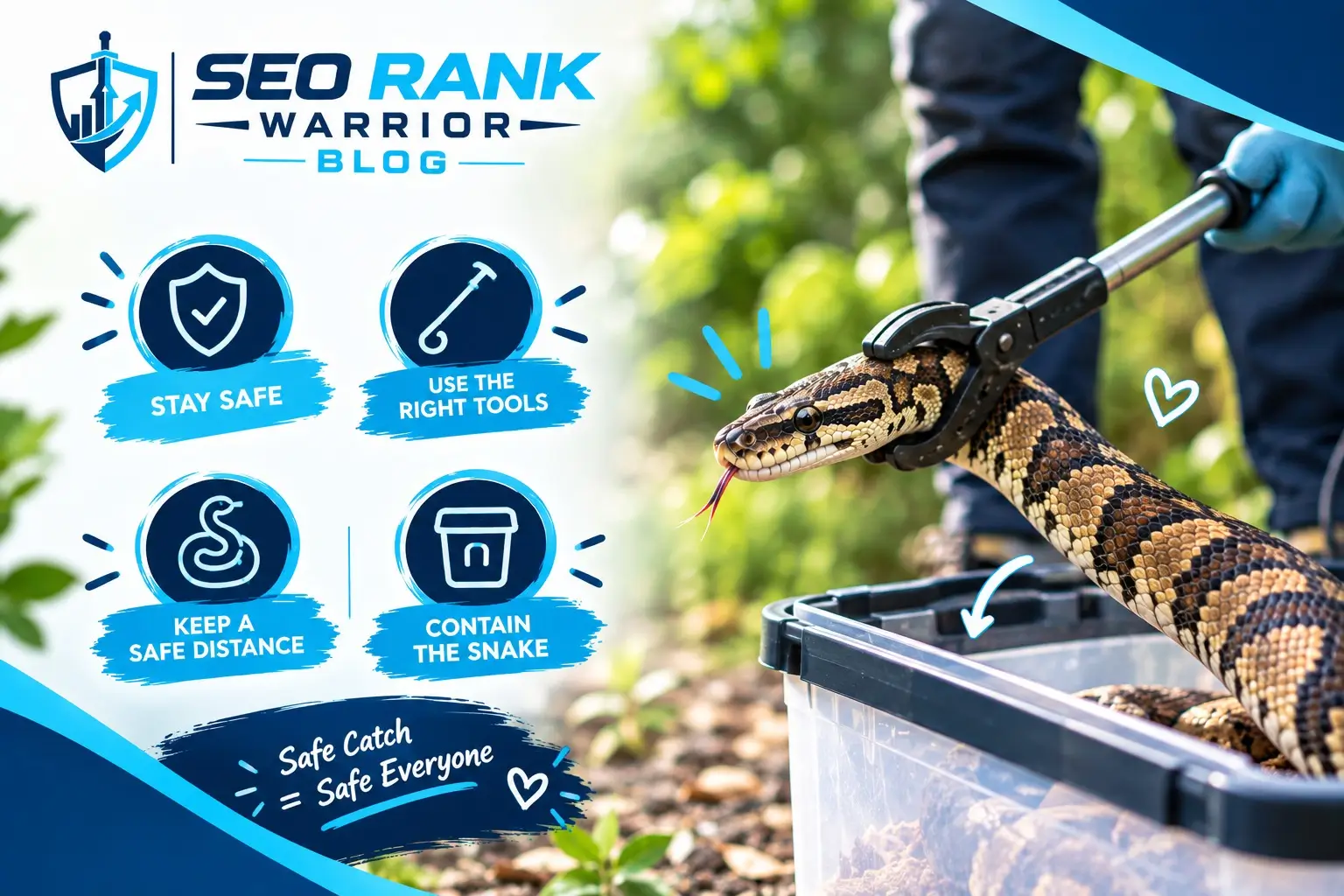
If your ball python or any pet snake bites you, don’t panic and don’t yank away. Instead:
- Stay calm and hold still for a few seconds most defensive bites release almost immediately on their own.
- If the snake remains latched, gently support its body and run cool water over the bite area rather than pulling.
- Once released, wash the wound thoroughly with soap and water.
- Watch for signs of infection over the next day or two, and see a doctor if the bite is deep, won’t stop bleeding, or shows redness and swelling.
- Return your snake calmly to its enclosure and give it space to settle.
A bite is rarely a sign that your snake is “bad” or aggressive it’s almost always a communication problem that better handling technique can prevent going forward.
Do Snakes Recognize Their Owners?
It’s a question almost every new snake owner eventually asks: do snakes recognize their owners? Not in the way a dog or cat would. Snakes don’t form emotional attachments the way mammals do, and they can’t recognize faces the way we might expect. What they can do is become familiar with you.
Snakes rely heavily on their Jacobson’s organ a specialized scent-detecting structure to gather information about their environment. Over time, a snake that’s handled consistently learns to associate your particular scent, movement pattern, and handling style with safety rather than threat. This is why snakes often seem calmer with their regular keeper than with a stranger: it’s familiarity and reduced stress response, not affection in the traditional sense. Consistent, gentle handling is the single best thing you can do to build that familiarity.
Common Mistakes to Avoid When Handling a Pet Snake
- Grabbing from above instead of approaching from the side.
- Trapping a snake in a corner or against glass instead of letting it move naturally into your hands.
- Handling right after feeding, which raises the risk of a feeding-response bite.
- Ignoring stress signals like hissing or pulling away.
- Letting a snake around your neck, especially larger constrictors if startled, a snake’s instinct is to tighten its grip, and a neck is a dangerous place for that to happen.
- Rushing the bonding process with a newly acquired snake instead of allowing a proper adjustment period.
Frequently Asked Questions
How do I safely pick up a snake for the first time?
Approach slowly from the side, let it sense your hand first, then scoop gently from underneath the mid-body while supporting at least two points of contact. Avoid sudden movements throughout.
Does a ball python bite often?
No. Ball pythons are known for being docile, and bites are uncommon with calm, consistent handling. Most bites happen due to a feeding response or the snake feeling cornered or startled.
Do snakes recognize their owners?
Not emotionally, but they do become familiar with your scent and handling pattern over time, which typically makes them calmer and less defensive with their regular keeper than with unfamiliar people.
What should I do if my pet snake bites me?
Stay calm, avoid pulling away, let the snake release naturally (or use cool water if it’s latched on), then clean the wound with soap and water and monitor for signs of infection.
How long should a handling session last for a new snake?
Keep early sessions to five or ten minutes and avoid handling for the first week after bringing a new snake home, or for 24–48 hours after a meal.
Conclusion
Handling a pet snake safely comes down to patience, observation, and respecting your snake’s instincts rather than fighting them. Move slowly, support its body properly, avoid trapping a snake or trying to grab snake coils out of fear, and give it time to build familiarity with you. Bites like those from a ball python are uncommon and rarely serious when handling is done correctly and while your snake may never “recognize” you the way a dog does, it can absolutely learn that you’re safe. With consistent, gentle snake handling, most snakes become calm, confident pets that are genuinely enjoyable to hold.