
Walk into any phone store today, and you’ll find far more than “smartphone” and “basic phone” on the shelf. From foldable screens to rugged, drop-proof handsets built for construction sites, the phone market has split into distinct categories each solving a different problem for a different kind of user.
This guide breaks down every major types of phones available today, what makes each one unique, and how to figure out which category actually fits the way you live and work not just what’s trending.
What Counts as a “Type” of Phone?
Phones aren’t just grouped by brand or price. They’re grouped by purpose the combination of hardware design, software capability, and intended use case. A phone built for a construction site solves a completely different problem than one built for a teenager’s first device or a frequent hiker heading off-grid. Understanding these categories makes it much easier to avoid paying for features you’ll never use, or missing a feature you actually need.
The Main Types of Phones
1. Smartphones
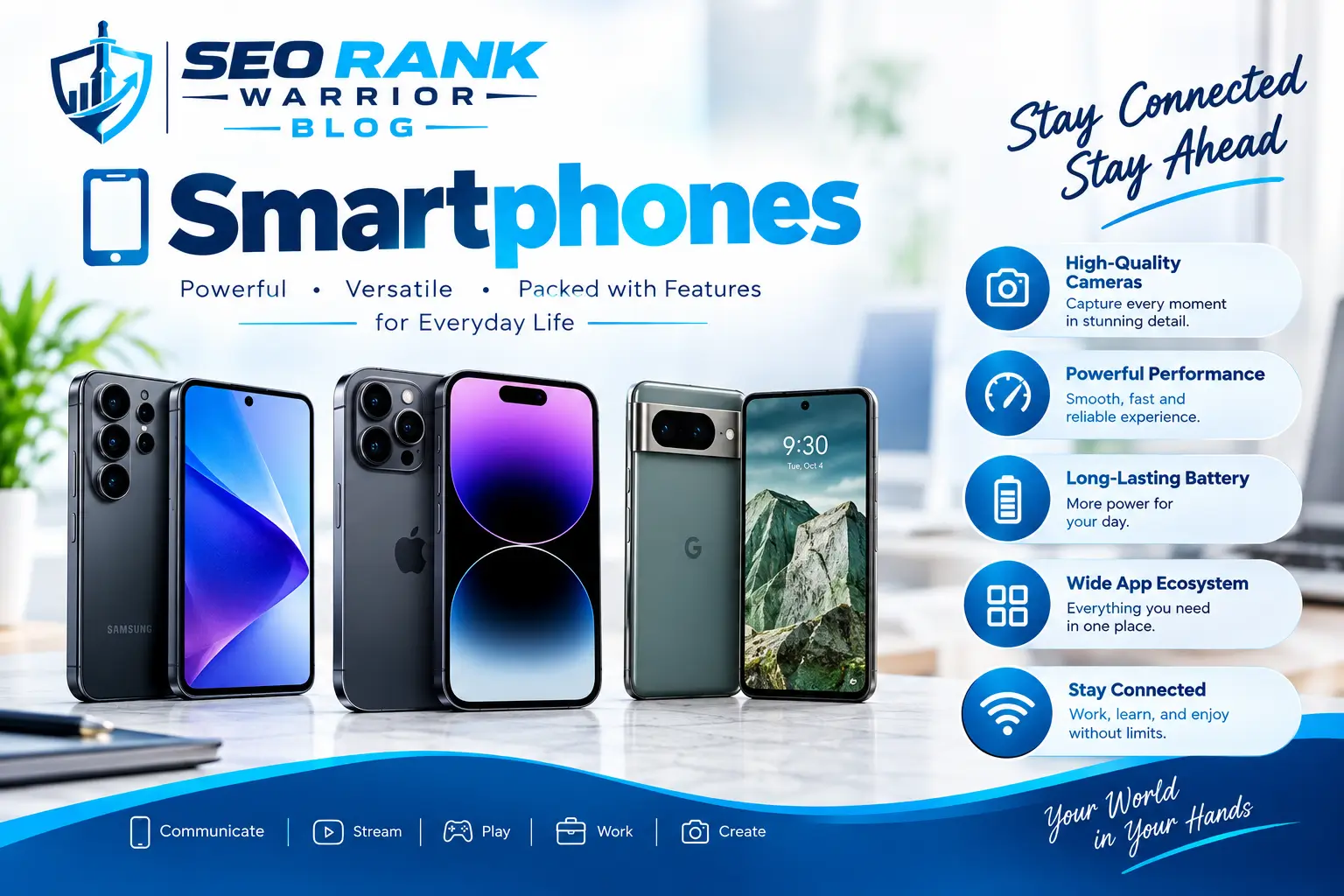
Smartphones are the default choice for most people today. They run a full operating system Android or iOS and support millions of downloadable apps, high-resolution cameras, GPS, biometric security, and constant internet access through Wi-Fi or mobile data.
Best for: Anyone who wants an all-in-one device for communication, work, entertainment, and everyday tasks.
Key features:
- Touchscreen interface with app-based navigation
- 4G/5G and Wi-Fi connectivity
- Multiple cameras for photo and video
- Biometric unlocking (fingerprint, face recognition)
- Access to app stores (Google Play, Apple App Store)
2. Feature Phones (Basic Phones)
Feature phones sit between the most basic call-and-text devices and full smartphones. They typically have a physical keypad or simple touch interface, limited app support, and are built primarily for reliability rather than versatility.
Best for: Users who want a distraction-free, low-maintenance device, a backup phone, or affordable connectivity in areas with limited internet infrastructure.
Key features:
- Voice calls and SMS as core functions
- Long battery life due to low power consumption
- Basic internet access on some models (2G/3G/4G)
- Simple preloaded apps like a calculator or FM radio
- Significantly lower cost than smartphones
3. Foldable Phones
Foldable phones use flexible OLED displays that fold either like a book (opening into a tablet-sized screen) or like a clamshell (folding down into a compact size). They represent one of the most significant hardware shifts in phone design in the past decade.
Best for: Power users who genuinely multitask referencing documents while typing notes, or wanting a larger screen without carrying a tablet.
Key features:
- Flexible, foldable display technology
- Book-style or clamshell fold designs
- True split-screen multitasking
- Reinforced hinge mechanisms for repeated folding
- Higher price point than standard smartphones
4. Gaming Phones
Gaming phones are smartphones re-engineered around performance and responsiveness for mobile gaming. They prioritize processing power, cooling, and input precision over camera quality or design elegance.
Best for: Mobile gamers who play graphically demanding titles for extended sessions and want to avoid overheating or lag.
Key features:
- High-refresh-rate displays (often 144Hz–165Hz)
- Advanced internal cooling systems
- Physical shoulder triggers or programmable touch zones
- Larger batteries and fast charging
- Gaming-optimized software modes
5. Rugged Phones
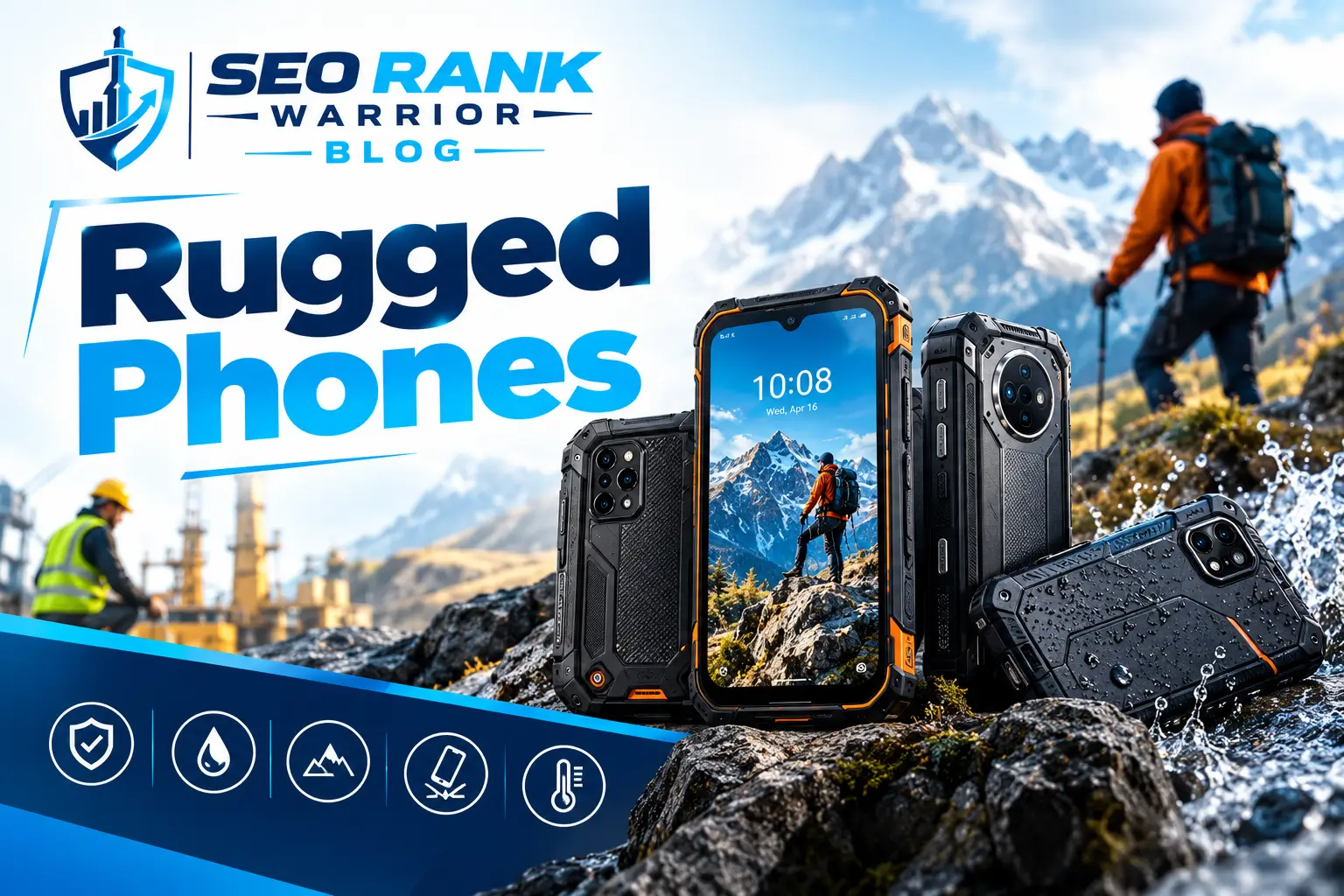
Rugged phones are built to survive conditions that would destroy a standard smartphone: drops, dust, extreme temperatures, and water exposure. They’re constructed with reinforced casings and tested against military-grade durability standards.
Best for: Field technicians, construction and warehouse workers, hikers, and anyone working in harsh or unpredictable environments.
Key features:
- IP68/IP69K water and dust resistance ratings
- MIL-STD durability certification
- Reinforced screens (often scratch-resistant glass)
- Extended battery life for long shifts
- Glove-friendly touchscreens
6. Senior and Accessibility-Focused Phones
These phones are designed around ease of use rather than raw features. Large buttons, simplified menus, bigger fonts, and dedicated emergency (SOS) buttons make them a practical option for older adults or anyone who finds standard smartphones overwhelming.
Best for: Elderly users, people with visual or motor impairments, or caregivers who want a simple, safety-focused device for a family member.
Key features:
- Large, high-contrast buttons and display text
- Simplified home screens with minimal menu layers
- Dedicated emergency/SOS buttons with location sharing
- Louder speakers for hearing accessibility
- Voice-guided setup and navigation
7. Satellite Phones
Satellite phones connect directly to orbiting satellites rather than ground-based cell towers, allowing communication in areas with no traditional network coverage deserts, oceans, mountains, and remote wilderness.
Best for: Sailors, expedition teams, remote infrastructure crews, and anyone traveling far outside cellular coverage.
Key features:
- Global or near-global coverage independent of cell towers
- Voice calls, SMS, and limited data in some models
- SOS beacon functionality for emergencies
- Rugged, weather-resistant builds
- Requires clear line-of-sight to the sky to connect
8. VoIP Phones
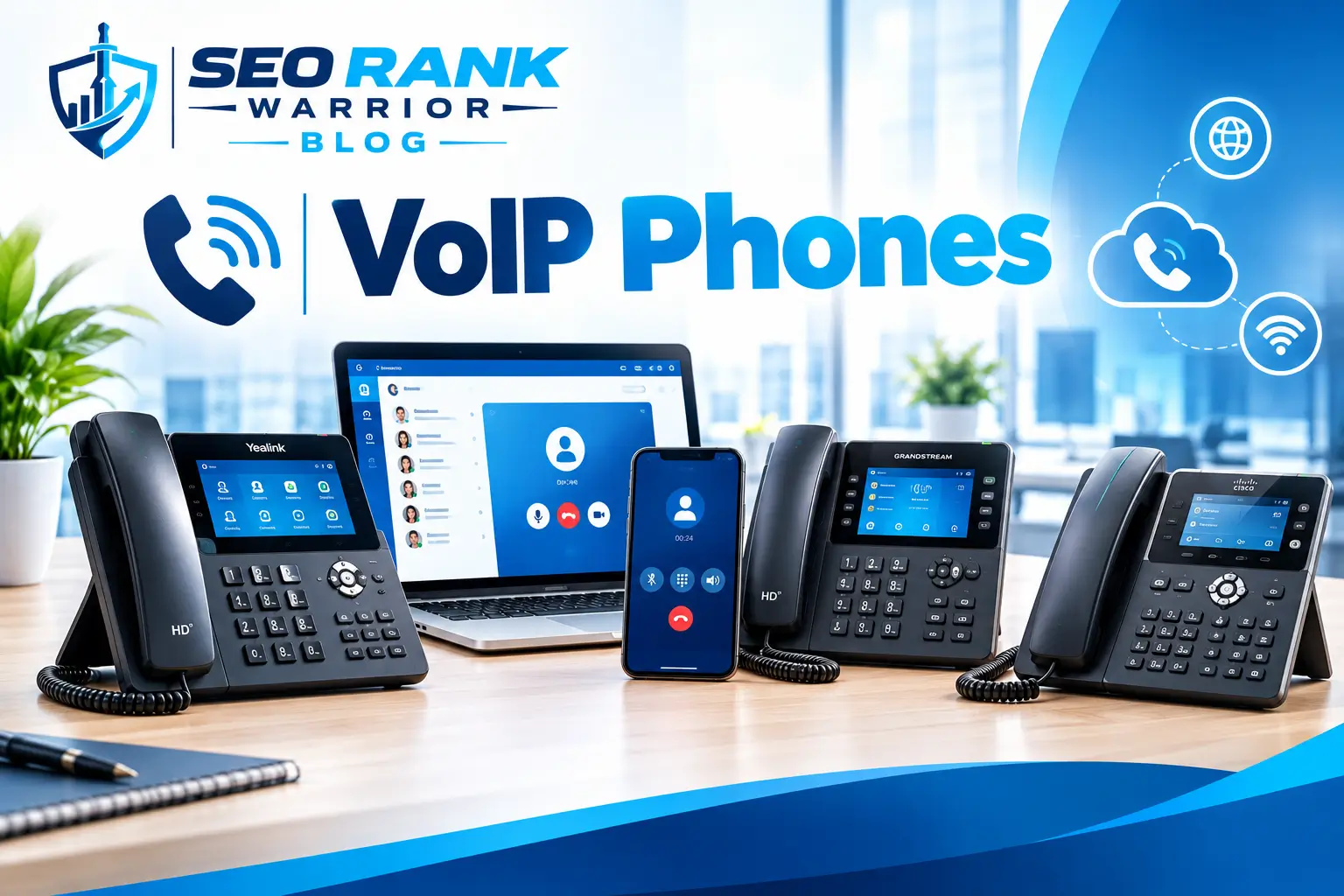
VoIP (Voice over Internet Protocol) phones route calls through an internet connection instead of a traditional cellular or landline network. While often associated with office desk phones, VoIP capability is increasingly built into mobile apps as well.
Best for: Businesses managing high call volumes, remote teams, and anyone looking to cut international or long-distance calling costs.
Key features:
- Calls routed over broadband instead of cellular networks
- High-definition audio quality on strong connections
- Advanced call management (voicemail-to-email, call transfer, conferencing)
- Lower cost per call, especially internationally
- Requires stable internet access to function well
9. Business and Enterprise Phones
Rather than a separate hardware category, these are typically flagship or near-flagship smartphones optimized for productivity and security rather than flashy design. They’re built around long-term software support and enterprise-grade data protection.
Best for: Professionals managing sensitive data, frequent travelers, and organizations issuing devices to employees.
Key features:
- Strong encryption and remote device management support
- Long software update commitments (often 5+ years)
- Seamless integration with email, calendars, and cloud storage
- Reliable video conferencing performance
- Durable build quality for daily heavy use
How to Choose the Right Type of Phone
With so many categories available, picking the right one comes down to matching the device to your actual habits rather than chasing the newest release. A few practical questions can narrow things down quickly:
- What do you actually use a phone for most? If it’s mostly calls, texts, and occasional browsing, a feature phone or budget smartphone likely covers everything you need.
- Where do you spend most of your time? Frequent outdoor work or travel to remote areas makes rugged or satellite phones worth considering; office-based routines rarely need either.
- How important is screen real estate? If you regularly multitask between apps or documents, a foldable phone may genuinely improve your workflow otherwise, it’s an expensive novelty.
- Who is the device really for? A senior-focused phone with large buttons and an SOS feature often serves an aging parent better than the latest flagship model.
- How long do you plan to keep the device? If you upgrade every 4+ years, prioritize models with long software update commitments, regardless of category.
FAQs – Types of Phones
How many types of phones are there?
While classifications vary, phones are generally grouped into around eight to nine core categories: smartphones, feature phones, foldables, gaming phones, rugged phones, senior/accessibility phones, satellite phones, VoIP phones, and business-focused devices.
What’s the difference between a feature phone and a basic phone?
The terms are often used interchangeably, though “feature phone” sometimes refers to devices with slightly more capability than the most stripped-down basic phones, such as a simple camera or basic internet access, while still falling well short of smartphone functionality.
Are foldable phones worth buying?
Foldables are worth it if you actively use split-screen multitasking or want a larger display in a pocketable form. For most users who mainly browse, message, and stream, a standard smartphone offers better durability and value for the price.
Do rugged phones sacrifice performance for durability?
Some do, especially older or budget rugged models. However, many current rugged phones run modern operating systems and competitive processors, so durability no longer has to come at a major performance cost.
Can a regular smartphone work as a business phone?
Yes — most modern smartphones can serve as business devices, especially flagship models with strong security features and long update support. Dedicated “business phone” categories mainly reflect how a device is configured and managed rather than unique hardware.
Conclusion
There’s no single “best” type of phone only the type that fits your specific needs, environment, and budget. Smartphones remain the right choice for most everyday users, but feature phones, rugged devices, foldables, gaming phones, and accessibility-focused models each solve real problems that a standard smartphone doesn’t handle as well. Understanding these categories before you buy means you spend money on the features you’ll actually use, rather than paying for capabilities that sit unused in your pocket.