
Avocado is a popular food in many homes, so, understandably, dog owners may wonder whether they can share a little with their pets. If you are asking, can dogs eat avocado, the answer is more complicated than a simple yes or no. Plain avocado flesh is generally considered non-toxic to dogs in small amounts, but the fruit is not completely risk-free.
The biggest concerns are the avocado pit, skin, leaves, and the fruit’s high fat content. The natural compound persin is another reason avocado receives attention in pet safety discussions. Dogs appear to be more tolerant of persin than some other animals, but that does not make every part of the avocado safe to eat.
Can Dogs Eat Avocado?
Healthy dogs can generally tolerate a small amount of plain, ripe avocado flesh. However, avocado does not need to be part of a dog’s regular diet, and some veterinarians recommend choosing other treats because avocado has several avoidable risks.
The flesh contains fat and can cause digestive problems if a dog eats too much. In susceptible dogs, a large fatty meal may contribute to pancreatitis. The pit is an even more immediate concern because it can become lodged in the digestive tract.
Purina UK takes a more cautious approach and recommends avoiding avocado as a food for dogs, while Pet Poison Helpline notes that the flesh itself is not considered poisonous but still recommends caution because of the pit and fat content.
So, the most accurate answer is that a small amount of plain flesh is generally low risk for many healthy dogs, but avocado should not be treated as a routine dog treat.
Is Avocado Toxic to Dogs?
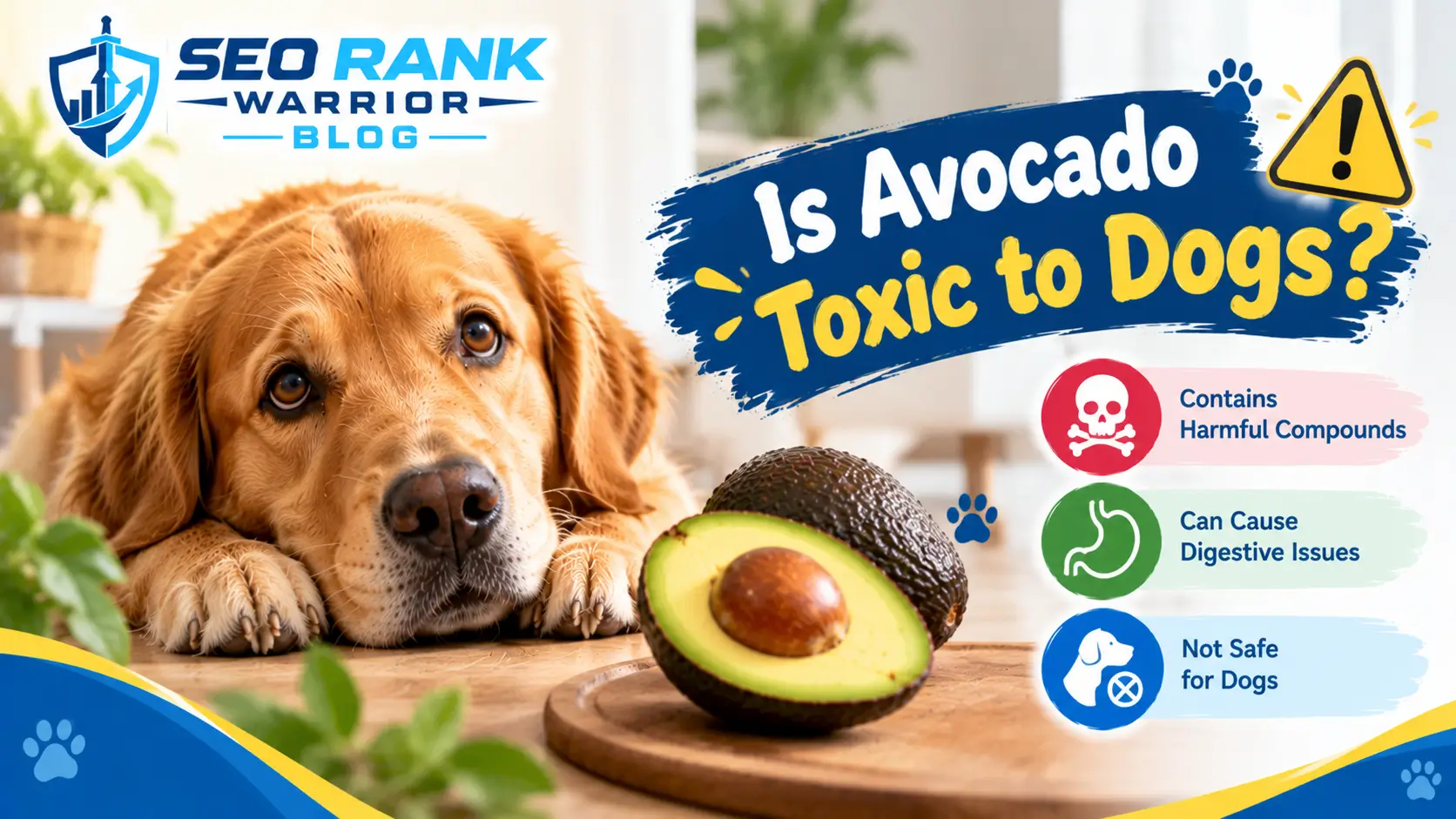
Avocado is not considered highly poisonous to dogs in the same way as grapes or certain other foods. The situation is more nuanced because different parts of the avocado contain different levels of risk.
Persin is a naturally occurring fungicidal compound in the avocado plant. It is particularly concerning in animals such as birds, horses, rabbits, and some livestock. Dogs are considerably more tolerant, although exposure can still contribute to digestive upset.
The bigger practical concerns for dogs are often the pit and the fruit’s fat content.
This distinction matters because saying that avocado is simply “toxic” can make the risks sound identical to highly poisonous foods, while saying that avocado is “safe” ignores the possibility of obstruction, pancreatitis, and problems caused by other ingredients.
What Is Persin in Avocado?
Persin is a natural compound produced by the avocado plant.
It occurs in the leaves, bark, skin, pit, and fruit, although concentrations vary between different parts and varieties. Animals do not all respond to persin in the same way.
Birds and certain grazing animals can be extremely sensitive to persin. Dogs are generally more resistant, but large exposure to avocado plant material can still cause problems.
For dog owners, this means there is no reason to let a dog chew avocado leaves, access an avocado tree, or eat the skin and pit simply because the animal is considered relatively tolerant.
Which Part of an Avocado Can Dogs Eat?
Not every part of the avocado carries the same practical risk.
Avocado Flesh
Plain ripe flesh is the least concerning part for dogs. A small amount is generally tolerated by many healthy dogs.
However, it is high in fat, so portion size still matters.
Avocado Pit
The pit should never be given to a dog.
It is large, hard, and difficult to digest. If swallowed, it can become lodged in the digestive tract and cause a potentially serious obstruction. Veterinary treatment, and sometimes surgery, may be required.
Avocado Skin
The skin contains more persin than the flesh and is also tough to digest.
Do not intentionally feed avocado skin to your dog.
Avocado Leaves
Avocado leaves contain persin and should be kept away from dogs.
If you grow an avocado plant, make sure your dog cannot chew the leaves, branches, fallen fruit, or other plant material.
Can Dogs Eat Avocado Flesh?
A small portion of plain avocado flesh can be tolerated by many healthy dogs.
If you decide to offer it, use only ripe flesh and remove the pit and skin completely. Do not add salt, seasoning, sauces, garlic, onion, or other ingredients.
It is also better to introduce a new food in a very small amount rather than giving your dog several pieces at once.
If your dog has a history of pancreatitis, obesity, digestive disease, or another condition affected by dietary fat, avocado may not be an appropriate treat.
How Much Avocado Can a Dog Have?
There is no single portion that is appropriate for every dog.
Avocado is relatively high in fat, so a portion that seems small to a person may represent a significant amount of extra dietary fat for a small dog.
If a veterinarian has confirmed that avocado is appropriate for your dog, a very small amount of plain flesh is a more sensible approach than giving a large serving.
Some veterinary guidance gives weight-based portion suggestions, but those numbers should not be treated as a universal prescription because dogs differ in health status, diet, and tolerance.
The important principle is simple: small amount, plain flesh, and only occasionally.
Can Avocado Cause Pancreatitis in Dogs?
Avocado’s high fat content is one of the reasons owners should be cautious.
Pancreatitis is inflammation of the pancreas and can cause symptoms such as vomiting, abdominal pain, weakness, reduced appetite, and digestive upset. High-fat foods can contribute to pancreatitis in susceptible dogs.
PetMD specifically notes that some dogs may develop pancreatitis after eating avocado pulp, while Pet Poison Helpline also identifies the high fat content as a concern.
This does not mean that every dog that eats a small piece of avocado will develop pancreatitis. It means that avocado should not be considered a harmless food that dogs can eat in unlimited quantities.
Dogs with a previous history of pancreatitis deserve particular caution.
Can Dogs Eat Avocado Pit?
No. The avocado pit is one of the biggest dangers associated with the fruit.
The pit is not primarily a poisoning concern for dogs. Instead, it is a physical foreign body that can become stuck in the throat, stomach, or intestine.
A swallowed pit can cause:
- Choking
- Gagging
- Vomiting
- Abdominal discomfort
- Loss of appetite
- Intestinal obstruction
- Serious gastrointestinal complications
A dog may appear completely normal immediately after swallowing the pit. That does not prove that it has passed safely.
If your dog has swallowed an avocado pit, contact a veterinarian promptly rather than waiting for symptoms to develop.
Can Dogs Eat Avocado Skin?
Avocado skin should not be fed to dogs.
It contains more concentrated plant compounds than the edible flesh and is much harder for a dog to digest. Large pieces can also create a physical obstruction risk.
Always scoop the flesh away from the skin and dispose of the skin somewhere your dog cannot reach.
If your dog has eaten a small accidental piece of skin, monitor them and contact your veterinarian if the amount was substantial or symptoms develop.
Can Puppies Eat Avocado?
Puppies do not need avocado as part of their diet.
A tiny amount of plain ripe flesh is unlikely to be highly toxic to a healthy puppy, but puppies are still developing and should receive nutrition specifically designed for growth.
There is also little reason to introduce a food with avoidable risks when many simpler treats are available.
If a puppy eats the pit, skin, leaves, or a large quantity of avocado, contact a veterinarian for advice.
Can Dogs Eat Guacamole?
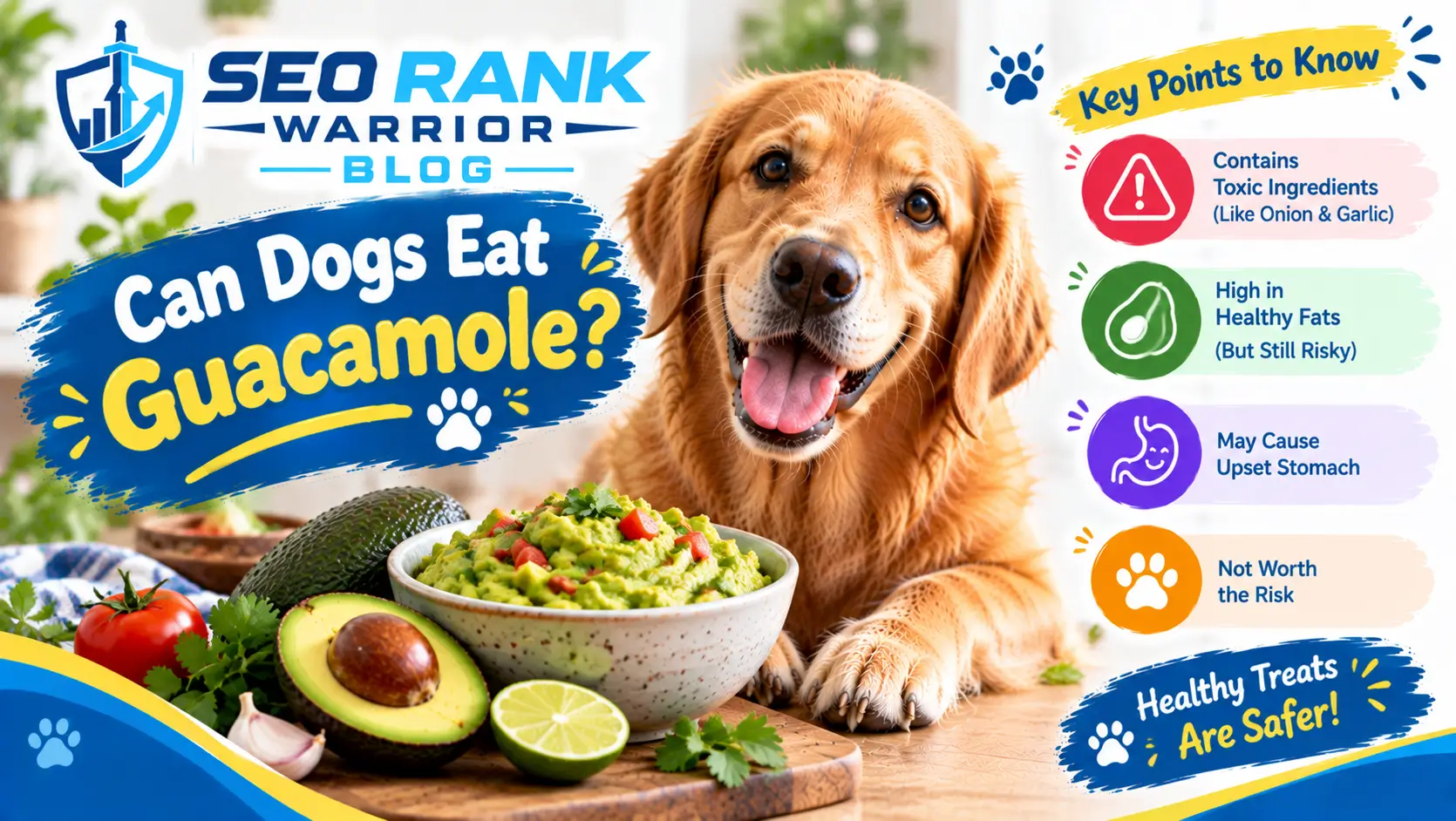
Guacamole is not an appropriate food for dogs.
The problem is that guacamole usually contains much more than avocado. Recipes commonly include ingredients such as onion, garlic, salt, chili, spices, lime juice, and other seasonings.
Onions and garlic are particularly important concerns because they can be harmful to dogs.
Even if a particular homemade guacamole recipe does not contain dangerous ingredients, the high fat content still makes it a poor choice for a dog treat.
Do not assume that guacamole is safe simply because its main ingredient is avocado.
Can Dogs Eat Avocado Toast?
Avocado toast is also better kept off your dog’s menu.
The avocado itself may be only one part of the recipe. Bread can contain additional ingredients, while toppings may include salt, butter, garlic, onions, spices, or other foods that are inappropriate for dogs.
If your dog accidentally gets a tiny bite of plain toast with a small amount of avocado, the situation is different from eating a large serving of seasoned avocado toast.
Check the ingredients and monitor your dog if an accidental exposure occurs.
Are Avocado Oils Safe for Dogs?
Avocado oil is different from whole avocado fruit because it does not contain the same combination of pit, skin, and plant material.
Some commercial complete dog foods use avocado oil or avocado meal as an ingredient. Purina UK notes that the avocado-derived ingredients used in complete and balanced commercial dog foods contain little significant persin at the levels used in those formulas.
That does not mean dog owners should start adding avocado oil to meals independently.
If avocado oil is already present in a commercially formulated complete dog food, it should be considered in the context of the entire recipe. If you are thinking about using avocado oil as a supplement, discuss it with your veterinarian first.
What Happens If a Dog Eats Avocado?
The outcome depends on which part was eaten and how much was consumed.
A small amount of plain flesh may cause no noticeable reaction.
A larger serving can cause digestive upset because of the fruit’s fat content. Some dogs may develop vomiting or diarrhea.
Swallowing the pit creates a different type of emergency because the problem is obstruction rather than simply digestion.
Eating skin, leaves, or large amounts of plant material increases concern about exposure to persin and other plant components.
This is why telling a veterinarian exactly what your dog ate is more useful than simply saying the dog ate “avocado.”
Signs to Watch for After Avocado Exposure
Possible symptoms depend on the type and amount of exposure.
Watch for:
- Vomiting
- Diarrhea
- Loss of appetite
- Lethargy
- Abdominal discomfort
- Difficulty swallowing
- Gagging
- Repeated retching
- Changes in bowel movements
- Signs of abdominal pain
If your dog swallowed the pit, symptoms may not appear immediately even if an obstruction is developing.
Difficulty breathing, severe weakness, repeated vomiting, collapse, or significant abdominal pain should be treated as an urgent veterinary situation.
What Should You Do If Your Dog Eats an Avocado Pit?
A swallowed avocado pit deserves more attention than a small bite of flesh.
Contact your veterinarian as soon as possible and explain:
- Your dog’s approximate size
- Whether the entire pit or part of it was swallowed
- When it happened
- Whether your dog is showing symptoms
- Whether other parts of the avocado were eaten
Do not assume that the pit will pass naturally.
Do not try to make your dog vomit unless a veterinarian specifically tells you to do so. A large object may cause additional problems during vomiting.
Veterinary assessment is particularly important because an intestinal obstruction can become serious even when the dog initially appears normal.
What Should You Do If Your Dog Eats Avocado Flesh?
If your dog eats a small piece of plain flesh and is acting normally, serious poisoning is unlikely.
Keep an eye on your dog for digestive changes and avoid giving more avocado.
If a large quantity was consumed, your dog has a medical condition affected by dietary fat, or symptoms develop, contact your veterinarian.
If you are uncertain about the amount eaten, it is better to ask a veterinary professional rather than trying to estimate the risk yourself.
Can Dogs Eat Avocado Every Day?
There is no reason to give avocado to a dog every day.
Avocado is not an essential component of canine nutrition, and its relatively high fat content makes daily feeding unnecessary.
Dogs should receive most of their calories from a complete and balanced diet. Treats should remain a small part of the overall diet.
If you want to offer fruit regularly, blueberries may be one option to discuss with your veterinarian, especially if your dog is overweight or has a medical condition.
Is Avocado Good for Dogs?
Avocado contains nutrients that are valuable in human diets, including fats, fiber, and several vitamins and minerals.
That does not mean dogs need avocado to obtain these nutrients.
Some commercial dog foods use avocado-derived ingredients in carefully formulated amounts. This is different from giving a dog chunks of fresh avocado from the kitchen.
For a healthy dog eating a complete diet, there is no nutritional requirement to add avocado.
Can Avocado Help a Dog’s Skin or Coat?
Avocado contains fats and nutrients that are associated with skin and coat health, but that does not mean feeding fresh avocado is necessary to improve a dog’s coat.
A complete dog food should already provide the nutrients required for normal skin and coat maintenance.
If your dog has dry skin, itching, hair loss, or coat changes, the underlying cause should be investigated rather than assuming that adding avocado will solve the problem.
How to Safely Handle Avocado Around Dogs
The easiest way to reduce risk is to separate the edible fruit from everything else.
When preparing avocado:
- Keep the whole avocado away from your dog.
- Cut it open safely.
- Remove the pit immediately.
- Scoop out only the flesh.
- Keep the skin and pit in a secure bin.
- Do not allow your dog to lick cutting boards covered with seasoned avocado.
- Clean up leftovers after meals.
- Keep avocado plants and fallen fruit inaccessible if you grow them at home.
The pit deserves particular attention because dogs may see it as something interesting to chew.
When Is Avocado More Concerning?
Avocado exposure deserves extra caution when:
- Your dog swallowed the pit
- Your dog ate avocado skin or leaves
- A large amount of flesh was consumed
- Your dog has a history of pancreatitis
- Your dog has a sensitive digestive system
- Your dog is very small
- Your dog is already showing symptoms
- The avocado was mixed with other potentially harmful ingredients
In these situations, contacting your veterinarian is the safest approach.
FAQs – Can Dogs Eat Avocado?
Can dogs have avocado?
Dogs can generally tolerate a small amount of plain avocado flesh, but avocado is not necessary in their diet. The pit, skin, leaves, high fat content, and prepared avocado foods create additional risks.
Is avocado poisonous to dogs?
Avocado is not considered highly poisonous to dogs in the same way as grapes, although it contains persin and can cause problems in large exposures. The pit can cause an intestinal obstruction, while the high fat content may contribute to pancreatitis in susceptible dogs.
Can dogs eat avocado pits?
No. Dogs should never eat avocado pits. The pit can become lodged in the digestive tract and cause a potentially serious obstruction.
Can dogs eat guacamole?
Guacamole is not recommended for dogs because it commonly contains onion, garlic, salt, spices, and other ingredients that can be harmful or unsuitable for dogs.
Can puppies eat avocado?
Puppies do not need avocado as part of their diet. A tiny amount of plain flesh is unlikely to cause serious toxicity in a healthy puppy, but pits, skin, leaves, large amounts, and seasoned avocado products should be avoided.
Conclusion
So, can dogs eat avocado? A small amount of plain, ripe avocado flesh is generally tolerated by many healthy dogs, but that does not make the whole fruit safe for dogs.
The pit is a serious physical obstruction hazard; the skin and leaves contain higher concentrations of persin, and the fruit’s high fat content can cause digestive problems or contribute to pancreatitis in susceptible dogs. Guacamole and other avocado-based human foods can create additional risks because of ingredients such as onion, garlic, salt, and spices.
If you choose to offer avocado at all, use only a small amount of plain flesh with the pit and skin completely removed. For dogs that have swallowed the pit, eaten a large amount, consumed plant parts, or developed concerning symptoms, prompt veterinary advice is the safest choice.