
Cybersecurity jobs have moved from a quiet corner of IT to one of the most stable career paths in technology. Banks, hospitals, universities, online stores and government offices all hold data that criminals want, and someone has to defend it. For students and professionals across Pakistan, India, Bangladesh, the Philippines and the wider Asian region, that demand opens the door to well-paid work that often needs little more than a laptop and a solid internet connection.
Still, finding the right cybersecurity jobs can feel confusing. Titles overlap, requirements look intimidating, and many beginners cannot tell whether to chase a degree, a certification or an internship first. This guide sorts it out. You will see which roles exist, what they pay, how to land entry level cybersecurity jobs, and how to search for cybersecurity jobs near me even when you live far from a major tech hub.
Why Cybersecurity Jobs Are in Demand in 2026
Attacks have not slowed down, and companies know that one breach can cost customers, money and reputation. That pressure creates steady hiring. Official labor data backs this up: the US Bureau of Labor Statistics projects 29% growth for information security analyst roles between 2024 and 2034, which it describes as much faster than average. It also puts the 2024 median pay at $124,910 per year, with about 182,800 people working in the occupation. blsbls
The wider picture points the same way. World Economic Forum research ranks networks and cybersecurity among the fastest-growing skills through 2030. In simple terms, security knowledge is no longer limited to a security team. Cloud engineers, developers and IT administrators are all expected to understand it, which widens the number of cybersecurity jobs on offer.
Another driver is regulation. Many countries now expect banks, telecom operators and healthcare providers to follow data protection and reporting rules. Meeting those rules needs people who understand risk, logging and incident handling, so even mid-sized organizations are building small security teams for the first time. That trend matters in Asia, where digital payments, e-commerce and online government services are expanding fast.
What the Skills Gap Means for You
Employers often say they struggle to find candidates who can do the work, not just talk about it. That gap is your opportunity. A beginner who can show practical skills, such as reading logs, hardening a server or running a simple vulnerability scan, stands out quickly.
Types of Cybersecurity Jobs
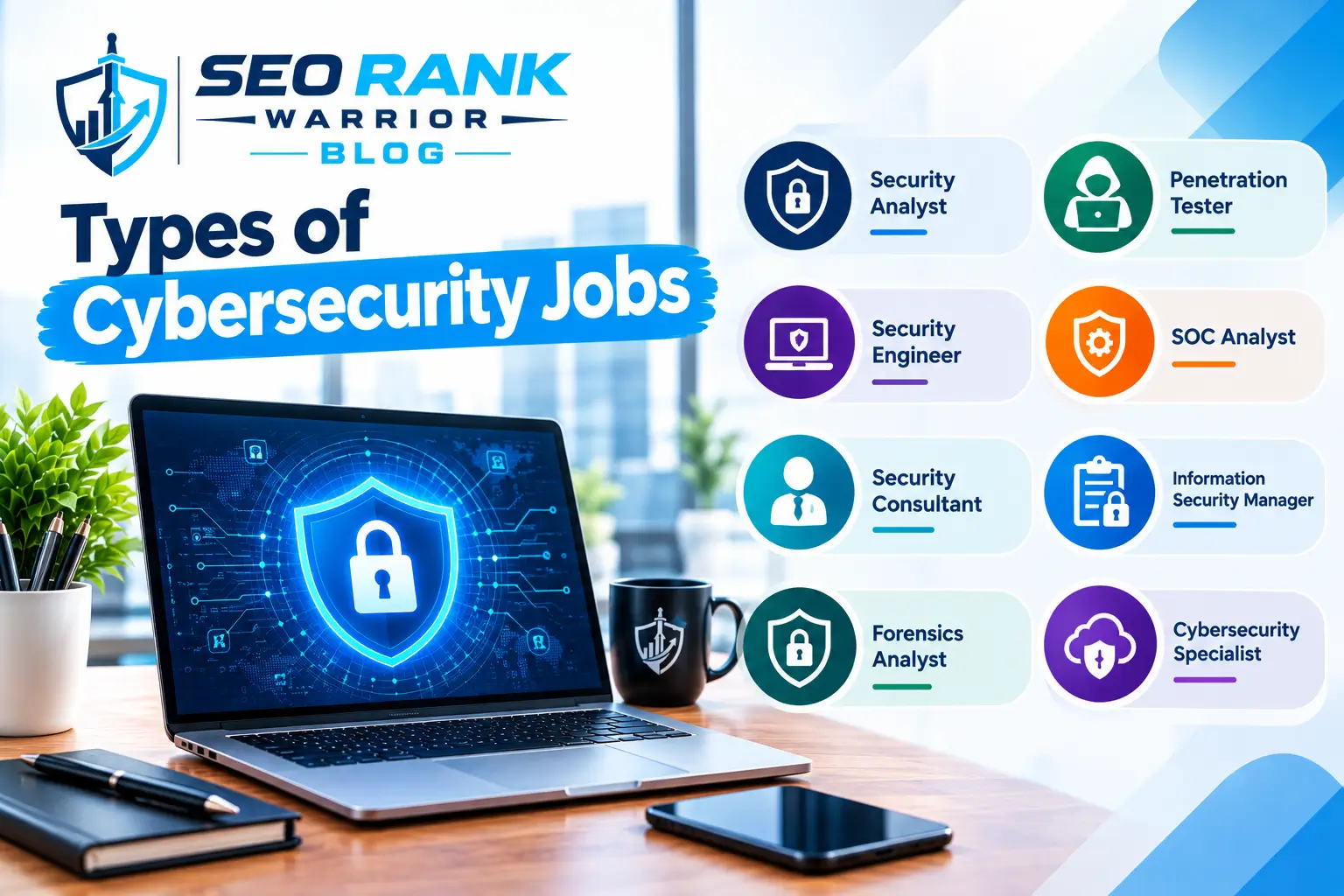
“Cybersecurity” is a field, not a single position. Knowing the main career tracks helps you pick a direction before you spend money on courses.
Cybersecurity Analyst Jobs
Cybersecurity analyst jobs are the most common starting point. A cybersecurity analyst watches alerts, investigates suspicious activity, and helps the team respond when something goes wrong. Many analysts begin in a Security Operations Center (SOC), where daily work includes triaging alerts, checking whether an event is real, and writing short incident reports. If you are searching for a cybersecurity analyst job, SOC analyst listings are usually the best place to look first.
Information Security Analyst Jobs
Information security analyst jobs overlap with the analyst role above, but the focus is broader. Besides monitoring, these professionals plan security controls, review policies, test defenses and advise other departments. In some listings you will also see the phrase security information analyst jobs, which usually describes the same type of work under a different title. Always read the responsibilities, not just the headline.
What a Typical Day Looks Like
A junior analyst’s day is rarely dramatic. It usually starts with reviewing overnight alerts, then sorting them into harmless noise and items that need a closer look. You might check a login from an unusual country, inspect a suspicious email attachment in a safe environment, or confirm that a laptop has the latest patches. Documentation fills a surprising amount of time, because every decision needs a clear record. If you enjoy puzzles and careful investigation, this routine can be very rewarding.
Penetration Tester and Cloud Security Roles
Penetration testers, also called ethical hackers, are paid to break into systems legally so weaknesses can be fixed. Cloud security engineers protect services on platforms such as AWS, Azure and Google Cloud. Both paths usually need hands-on experience, so they are better as a second or third step than a first job.
GRC and Security Management Roles
Governance, Risk and Compliance (GRC) roles suit people who prefer policy, audits and risk assessment over technical hacking. With experience, analysts can also move into security management and leadership positions.
Cybersecurity Jobs Salary: What Can You Earn?
Pay depends on country, city, employer size and experience, so treat every figure as a range, not a promise. In the United States, the BLS median of $124,910 for information security analysts gives a useful benchmark for mid-career earnings. Entry positions usually pay less, and senior roles such as security architects or managers pay more.
For readers in Asia, local salaries will be lower in absolute terms than US figures, but cybersecurity jobs still tend to pay above general IT support roles in the same city. The practical way to check is to compare current listings in your country on job boards and company career pages, then note the range for your target title and experience level.
Three things usually push pay upward: recognised certifications, cloud security skills, and the ability to work with international clients or remote teams. Employer type matters too. Large banks and multinational firms often pay more and offer structured training, while startups may offer faster responsibility but narrower budgets. Contract and freelance work can pay well per hour, though income is less predictable. Do not judge the field by one salary number. Look at the growth path, because moving from analyst to engineer to lead often raises income faster than switching careers.
Entry Level Cybersecurity Jobs: Where Beginners Start
Many people ask whether entry level cybersecurity jobs really exist, since so many listings ask for experience. They do, but they often carry different names. Look for these titles:
- Junior SOC analyst or Tier 1 analyst
- Security operations trainee
- IT support with a security focus
- Vulnerability management associate
- Junior GRC or compliance analyst
When you read a cybersecurity entry level jobs listing that asks for “two years of experience,” check whether that experience can come from labs, internships, help desk work or personal projects. Employers are often more flexible than the posting suggests.
A Simple 90-Day Starter Plan
If you are starting from zero, a short plan keeps you moving:
- Days 1 to 30: Learn networking basics (IP addresses, DNS, ports) and get comfortable with Linux commands.
- Days 31 to 60: Study for a foundation certification and build a home lab with free virtual machines.
- Days 61 to 90: Practise on legal training platforms, write up what you solved, and start applying for junior roles and internships.
Ninety days will not make you an expert, but it gives you enough proof of effort to start getting interviews.
Can You Get Cybersecurity Jobs Without a Degree?
Yes, though it is harder in some markets. The BLS notes that a bachelor’s degree is the typical entry-level education for information security analysts, so a degree helps in many countries. But skills-based hiring is growing. A candidate with a relevant certification, a home lab, public write-ups of practice challenges and a clear resume can compete for junior roles. If you have no degree, your proof of skill has to be stronger and easier to see.
Cybersecurity Internships: Your First Real Experience
Cybersecurity internships solve the biggest beginner problem: no experience. An internship gives you real tools, real teammates and something concrete to put on your resume. Many companies and training programs offer them, and some are paid.
To find cybersecurity internships:
- Check the careers pages of banks, telecom companies, IT service firms and managed security providers in your country.
- Search LinkedIn and job boards using “intern,” “trainee” and “graduate program” along with security keywords.
- Ask your university career office about industry partnerships.
- Look for scholarship and talent programs run by nonprofits and training providers.
If you cannot land one right away, build your own experience. Set up a home lab with free virtual machines, practise on legal training platforms, and write short notes about what you learned. Hiring managers read those notes as proof of curiosity.
Skills and Certifications Employers Look For

Technical basics come first: networking, operating systems (Windows and Linux), and how common attacks work. Add scripting, such as Python or PowerShell, and a working understanding of cloud services. Soft skills matter just as much. Analysts must explain problems clearly to non-technical colleagues, write accurate reports, and stay calm during incidents.
Certifications can help you pass the first resume screen. Popular choices include:
- CompTIA Security+ for general foundations
- Microsoft SC-200 for security operations on Microsoft tools
- Certified Ethical Hacker (CEH) for offensive security basics
- CISSP for experienced professionals moving toward senior roles
Whichever certification you pick, pair it with practice. A Security+ holder who can also explain how they investigated a phishing sample in a lab is far more convincing than a certificate alone.
Choose a certification that matches the cybersecurity jobs you actually plan to apply for. Collecting badges without practical skills rarely impresses interviewers.
Cybersecurity Jobs Near Me: Finding Local Opportunities
Typing “cybersecurity jobs near me” into a search engine is a good start, but you can get better results with a few habits.
First, use location filters on LinkedIn, Indeed and local job boards, and set alerts for titles like analyst, SOC and security engineer. Second, check career pages of large employers in your city directly, since many roles appear there before they reach aggregators. Third, look at industries that hire security staff in every city: banking, telecom, healthcare, e-commerce and government contractors. Finally, join local security communities and meetups. Referrals are common in this field, and a short introduction from a community member can move your resume to the top of the pile.
If your city has few options, widen your search to the nearest major city, or consider hybrid and remote work. Keep a simple tracker with the company, role, date applied and follow-up date, so no opportunity slips away.
Remote Cybersecurity Jobs and Opportunities for Asian Candidates
Remote work has made the market more open. Some security tasks, such as monitoring, vulnerability assessment, compliance work and consulting, can be done from home. Asian candidates can look at remote roles with international companies, managed security service providers and freelance bug bounty or audit work.
A few practical points help:
- Be ready for time zone shifts, since monitoring teams often need night or weekend coverage.
- Check whether the employer hires in your country and how contracts and payment work.
- Confirm any visa or work authorization rules before applying for jobs abroad.
- Build a clear English-language profile, because communication is part of the job.
Regional demand is also growing as banks, telecoms and government bodies strengthen their defenses, so local cybersecurity jobs may match your goals better than moving abroad.
How to Stay Competitive Once You Land a Role
Landing the first job is only the start. Threats change every year, so the best performers keep learning. Follow trusted security news, repeat lab exercises when new attack techniques appear, and ask senior colleagues to review your incident notes. Within two or three years, you can specialize in cloud security, threat hunting, digital forensics or GRC. People who keep improving usually find that cybersecurity jobs at higher levels come to them through referrals, not cold applications.
Resume and Interview Tips
Keep your resume to one or two pages and lead with a short summary of the roles you want. List tools you have actually used, such as SIEM platforms, Wireshark, Nessus or Nmap, and describe what you did with them. Add lab projects and certifications with dates.
In interviews, expect scenario questions: “An employee reports a suspicious email. What do you do?” Walk through your steps in order, explain why, and be honest when you do not know something. Interviewers value clear thinking more than memorised answers.
Common Mistakes When Applying for Cybersecurity Jobs
- Applying only to jobs titled “cybersecurity analyst” and ignoring related titles
- Collecting many certifications with no practical projects
- Using one generic resume for every application
- Ignoring networking basics, which most security work depends on
- Waiting to feel “ready” instead of applying and learning from interviews
FAQs – Cybersecurity Jobs
What qualifications do I need for a cybersecurity analyst job?
Most employers want a bachelor’s degree in computer science, IT or a related field, plus foundational knowledge of networks and operating systems. A certification such as Security+ and hands-on lab experience can strengthen your case, and some employers accept strong skills in place of a degree.
What is the average salary for entry level cybersecurity jobs?
It varies by country and employer. Entry roles pay less than the US median of $124,910 for information security analysts, which reflects experienced workers. Check current listings in your own market for a realistic range.
Are cybersecurity internships paid?
Many are, though not all. Corporate internships at larger firms are more likely to offer a stipend, while university or community programs may be unpaid or offer training instead. Confirm compensation before accepting.
What is the difference between a cybersecurity analyst and an information security analyst?
The titles are often used interchangeably. In general, a cybersecurity analyst focuses on monitoring and responding to threats, while an information security analyst may also handle policy, risk and broader protection of information.
Can I find remote cybersecurity jobs from Asia?
Yes. Many companies hire remote analysts, consultants and testers, but you should verify that the employer hires in your country and that payment and contract terms are clear.
Conclusion
Cybersecurity jobs offer strong demand, clear growth paths and room for people from many backgrounds. Start by choosing a track, build a small set of practical skills, earn one relevant certification, and look for cybersecurity internships or junior titles that give you real experience. Then search smartly, using local filters, company career pages and remote options.
Whether you are a fresh graduate in Karachi, a developer in Bengaluru or a support engineer in Manila, the route is similar. Progress in this field comes from steady practice, not shortcuts. Apply the steps in this guide, keep improving your skills, and your first of many cybersecurity jobs will be within reach.